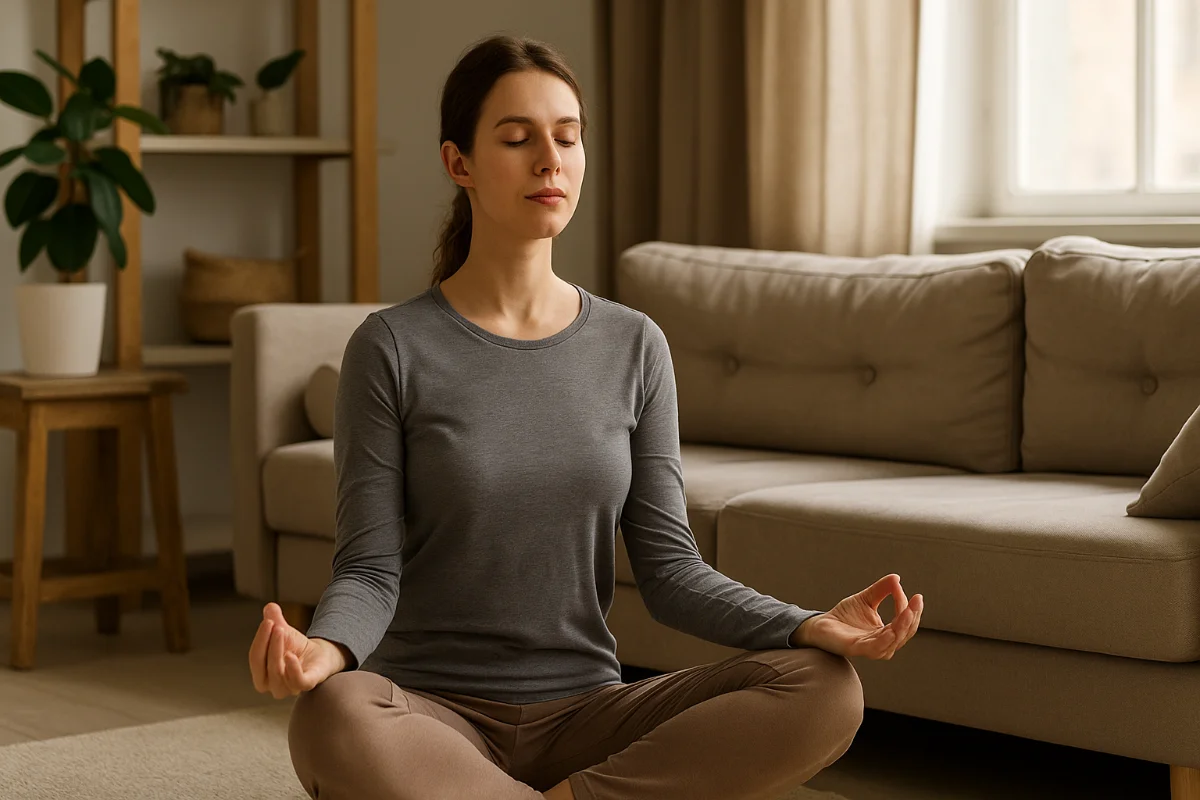

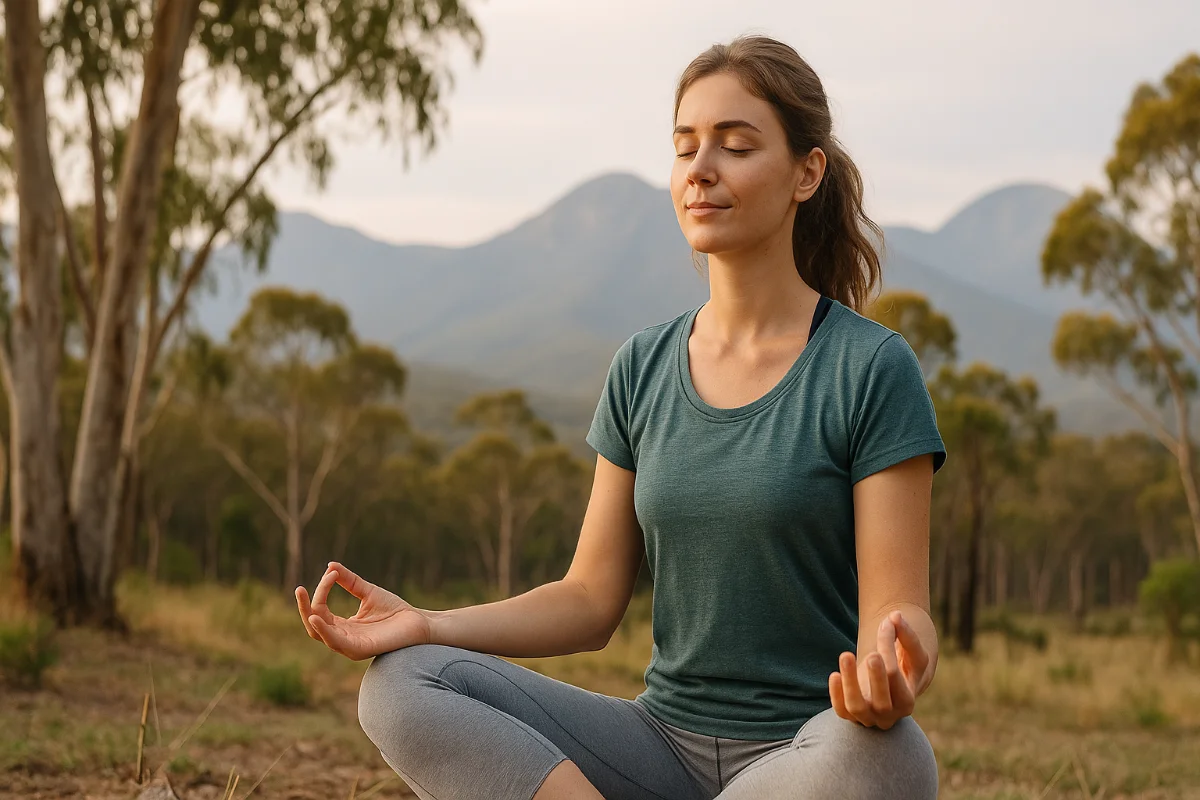
Mindfulness. For some, it conjures images of yoga mats, incense, and meditation apps. For others, it’s as simple as sitting on the verandah with a cuppa and listening to the magpies. Whatever your take, one thing’s for sure: mindful living in Australia isn’t just a passing fad.
In 2025, Australians are increasingly turning to mindfulness to counter the stress of busy schedules, rising costs of living, and the constant buzz of digital distractions. But mindful living goes beyond buzzwords—it’s about making small, sustainable changes that genuinely improve wellbeing.
This article unpacks what mindful living in Australia really means, why it’s here to stay, and how you can embrace it (without quitting your job to live on a mountain).
Snapshot Summary (Quick Overview)
- Mindful living in Australia blends ancient practices with modern lifestyle habits.
- It’s not just meditation—it includes food, movement, nature, and relationships.
- Science backs mindfulness for reducing stress and improving health.
- Australians are embracing it through bushwalks, yoga, slow food, and digital detoxes.
- Mindful living is becoming part of workplaces, schools, and healthcare.
- It’s more than a trend—it’s a shift in how we live and connect.
Want to explore how mindful living fits into everyday Aussie life? Keep reading.
What Is Mindful Living in Australia?
At its core, mindful living means being present—fully experiencing the moment rather than rushing through it on autopilot.
In the Australian context, mindful living often draws on our unique environment and culture:
- Enjoying a coastal walk instead of scrolling social media.
- Choosing local produce at the farmers’ market.
- Taking time to breathe (literally) between meetings.
Did You Know? Studies from the University of Melbourne found mindfulness practices can reduce workplace stress and improve productivity by up to 20%.
Why It’s More Than a Trend
1. The Science Is Solid
- Research shows mindfulness reduces anxiety, lowers blood pressure, and improves sleep.
- Unlike fad diets, mindfulness has decades of evidence behind it.
2. It’s Practical
- You don’t need expensive equipment or memberships.
- Mindfulness can be done in 5 minutes—anytime, anywhere.
3. It Fits the Aussie Lifestyle
- Our culture already values outdoor living, nature, and balance.
- It’s easy to weave mindfulness into everyday routines.
Bold Takeaway: Mindfulness is a lifestyle shift, not a hashtag trend.
Ways Australians Practise Mindful Living
Mindful Movement
- Yoga, tai chi, pilates, or even stretching in the park.
- Surfing, bushwalking, and swimming double as mindful practices.
Mindful Eating
- Slowing down meals.
- Choosing whole, local, and seasonal foods.
- Reducing waste and appreciating food origins.
Digital Detox
- Turning off notifications.
- Setting “no-phone” zones (like the dinner table).
- Weekend breaks from screens.
Nature Connection
- Gardening in the backyard.
- Spending time in national parks.
- Practising “forest bathing” (shinrin-yoku) Aussie-style.
Quick Guide: Embracing Mindful Living
Situation
You’re overwhelmed by work, family, and constant notifications.
Common Challenges
- How do I find time for mindfulness?
- Do I need to meditate daily?
- Will I actually stick with it?
How to Solve It
✔ Start Small
Try 5 minutes of deep breathing or a mindful walk.
✔ Make It Routine
Attach mindfulness to daily habits (morning coffee, bedtime).
✔ Use Nature
Step outside—sunshine and fresh air count as mindfulness.
✔ Be Kind to Yourself
It’s about progress, not perfection.
Why It Works
These practical steps fit mindfulness into real lives without pressure or guilt.
Humor Break: Everyday Aussie Mindfulness Moments
- Trying to meditate while the neighbour’s lawnmower starts up—classic.
- Finding “inner peace” until a magpie swoops mid-bushwalk.
- Realising your “mindful eating” turned into mindful inhaling of a Tim Tam packet.
- Kids asking: “Are we done being mindful yet?”
Interactive Quiz: What’s Your Mindfulness Style?
Q1: How do you relax after a stressful day?
- A. Netflix binge.
- B. A walk by the beach.
- C. Cooking a healthy dinner.
Q2: Your phone buzzes during dinner. Do you…
- A. Check immediately.
- B. Ignore it until later.
- C. Pretend not to care, then sneak a peek.
Q3: Your ideal weekend includes…
- A. Sleeping in.
- B. Bushwalks or gardening.
- C. Socialising with friends.
(Mostly A’s → The Digital Detoxer. Mostly B’s → The Nature Nurturer. Mostly C’s → The Social Mindful.)
Mindful Living in Australian Workplaces
- Companies are offering meditation apps as part of employee wellness programs.
- Flexible work arrangements support better balance.
- Mindful meetings (shorter, focused, with breaks) are gaining traction.
FAQs: Mindful Living in Australia
1. Do I have to meditate to live mindfully?
No. Meditation helps, but mindful living includes eating, walking, and being present.
2. Is mindful living expensive?
Not at all. It often means slowing down and simplifying, which can save money.
3. How does mindful living help with stress?
By focusing on the present, you reduce overthinking about past regrets or future worries.
4. Can kids practise mindfulness?
Yes—through breathing exercises, mindful colouring, or simply noticing nature.
5. Is mindful living connected to religion?
No. While it has roots in Buddhist practices, modern mindful living is secular and accessible to everyone.
Expert Insight
“Mindful living in Australia isn’t about perfection—it’s about small, conscious choices that build up over time. From the way we eat to how we connect with others, mindfulness enhances every aspect of life.” – Wellness coach, Sydney
The Future of Mindful Living in Australia
- Integration into healthcare: Doctors prescribing mindfulness for stress and sleep.
- Technology with balance: Apps designed to encourage logging off.
- Community mindfulness: Schools, workplaces, and even sports clubs embracing it.
Bold Takeaway: Mindful living is evolving from a personal practice into a community movement.
Conclusion
Mindful living in Australia isn’t about perfection or fads—it’s about slowing down, being present, and making conscious choices in a fast-paced world. From savouring your morning coffee to connecting with nature on a bushwalk, mindfulness enhances everyday life.
Australians are embracing it not just as a wellness trend but as a cultural shift. And whether you’re a busy professional, a parent juggling chaos, or someone simply seeking calm, mindful living is a practical, sustainable path to balance.
Disclaimer
This article is for general informational purposes only and does not constitute medical, psychological, or wellness advice. Always consult qualified professionals for personal guidance on mindfulness or mental health in Australia.