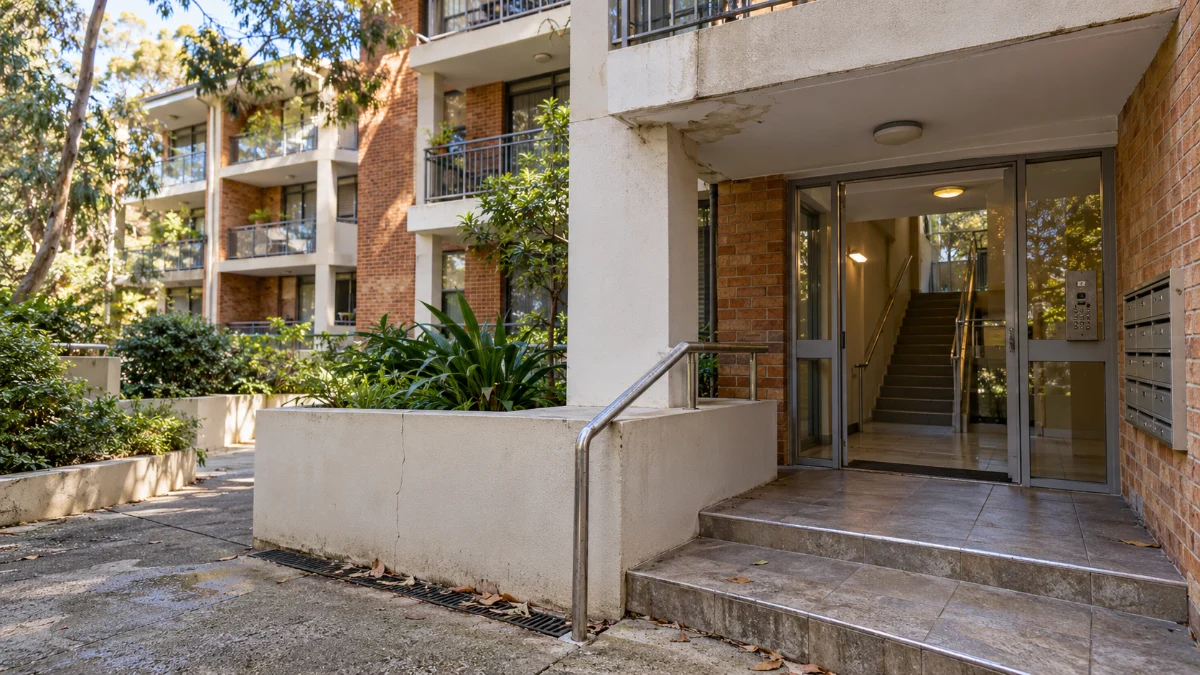


If you’ve ever overheard a conversation at an Aussie BBQ, chances are someone was talking about property. It’s practically our second national sport (after footy, of course). Whether it’s debating house prices in Sydney, eyeing a rental in Brisbane, or wondering if Melbourne’s market has finally cooled, one thing’s clear: Property Investment in Australia is a hot topic.
But here’s the thing—property investment doesn’t have to be confusing or reserved for millionaires. With the right knowledge, everyday Australians can make smart property decisions that build wealth, provide rental income, and even secure retirement.
This article breaks down property investment into plain English. No jargon, no overcomplicated spreadsheets—just a straightforward roadmap to understanding property investment in Australia. We’ll cover the basics, risks, strategies, and even throw in a quiz to test your investor instincts.
Snapshot Summary (At a Glance)
- Property investment in Australia is a popular wealth-building strategy due to stable housing demand.
- Investors earn through rental income, capital growth, and tax benefits.
- Challenges include high property prices, interest rates, and unexpected costs.
- Success requires research, planning, and a long-term mindset.
- Options include residential, commercial, and regional investments.
Want the full story? Keep reading—you’ll be a backyard BBQ property guru in no time.
Why Property Investment in Australia Is Popular
Australians have a long love affair with bricks and mortar. Why?
- Tangible Asset – You can see it, touch it, and argue with your neighbour about the fence line.
- Housing Demand – Australia’s growing population keeps rental demand strong.
- Tax Benefits – Negative gearing and depreciation deductions can make investing attractive.
- Long-Term Growth – Historically, property values in major cities have trended upward.
Property has proven to be one of Australia’s most reliable wealth-building tools.
How Property Investment Works
The Basics
- Buy a property (residential or commercial).
- Hold it, either renting it out for income or waiting for value growth.
- Profit when you sell for more than you paid or from ongoing rent.
Income Streams
- Rental Income – Regular cash flow from tenants.
- Capital Growth – The increase in property value over time.
- Tax Perks – Deductions for interest, depreciation, and expenses.
Quick Guide: First Steps in Property Investment
Situation
You’re interested in property investment but overwhelmed by the market.
Common Challenges
- “I don’t know where to start.”
- “Property prices are too high.”
- “What if tenants trash my house?”
How to Solve It
✔ Step 1: Set Goals – Are you after cash flow, capital growth, or both?
✔ Step 2: Research Locations – Look for growth areas, not just the flashy suburbs.
✔ Step 3: Check Finances – Talk to a broker about loans and repayments.
✔ Step 4: Start Small – Consider an entry-level property in an emerging suburb.
Why It Works
Breaking it down into steps makes property investment achievable, not overwhelming.
Types of Property Investment in Australia
Residential Property
- Houses, apartments, townhouses.
- Most common choice for beginners.
Commercial Property
- Offices, warehouses, retail spaces.
- Higher yields but often riskier.
Regional Property
- Growing appeal due to remote work trends.
- Cheaper entry point, but growth depends on infrastructure.
Risks of Property Investment
No investment is foolproof. Here are common risks:
- Vacancy Periods – No tenants = no rent.
- Market Fluctuations – Property prices can fall.
- Interest Rate Hikes – Loan repayments increase.
- Unexpected Costs – Maintenance, repairs, insurance.
Pro Tip: Always budget for the “uh-oh” moments—because they will happen.
Humor Break: The Real Investor Struggles
- Explaining negative gearing to your mates and losing them by sentence two.
- Trying to fix a leaking tap yourself to “save money”—and ending up calling a plumber anyway.
- Stalking realestate.com.au at 2am like it’s Instagram.
Strategies for Successful Property Investment in Australia
1. Buy and Hold
Purchase and wait for capital growth while collecting rent.
2. Positive Cash Flow Properties
Focus on properties where rent > expenses.
3. Negative Gearing
Claim losses as tax deductions (popular but not for everyone).
4. Renovate and Sell (“Flipping”)
Upgrade properties for profit. Warning: not as easy as TV makes it look.
5. Diversification
Mix residential and commercial, metro and regional, to spread risk.
Interactive Quiz: Are You Ready for Property Investment?
Q1: Do you have an emergency fund for unexpected repairs?
- A. Yes
- B. No
- C. My plan is to “wing it.”
Q2: What’s your main investment goal?
- A. Long-term growth
- B. Regular rental income
- C. To impress my in-laws
Q3: True or False – Property prices in Australia only ever go up.
- A. True
- B. False
(Answers: 1 – A, 2 – A or B are fine, 3 – B. Prices can and do fall.)
FAQs: Property Investment in Australia
1. Is property investment still profitable in 2025?
Yes—though returns vary by location and property type, demand remains strong.
2. Do I need a huge deposit?
Not necessarily. While 20% is standard, options exist for lower deposits with lenders’ mortgage insurance.
3. What’s the best city for property investment?
It depends on your goals—Sydney and Melbourne for long-term growth, Brisbane and Adelaide for affordability, regional hubs for lifestyle-driven demand.
4. Can I invest while living overseas?
Yes, but rules differ for foreign buyers. Check with FIRB (Foreign Investment Review Board).
5. Should I manage the property myself?
You can, but a property manager saves time and stress.
Expert Insight
“Property investment in Australia is not about timing the market—it’s about time in the market. Patience and planning are key.” – Australian Property Expert
Long-Term Outlook for Property Investment in Australia
- Population Growth – Migration continues to fuel housing demand.
- Infrastructure Projects – New transport links boost regional markets.
- Sustainability Trends – Energy-efficient homes may gain more value.
- Technology Impact – Proptech will simplify buying, selling, and renting.
Property investment will remain central to Australian wealth-building.
Conclusion
Property Investment in Australia doesn’t have to be intimidating. By understanding the basics, preparing for risks, and planning long term, Australians can use property to grow wealth and create financial security.
Whether you’re eyeing your first rental or diversifying into commercial spaces, the key is to stay informed, stay patient, and (most importantly) not get carried away by the latest “hot tip” from your mate’s cousin.
With a clear roadmap, property investment can be explained simply—and turned into a smart, achievable reality.
Disclaimer
This article is for general informational purposes only and does not constitute financial or legal advice. Always consult a licensed financial advisor, mortgage broker, or legal professional before making investment decisions.