
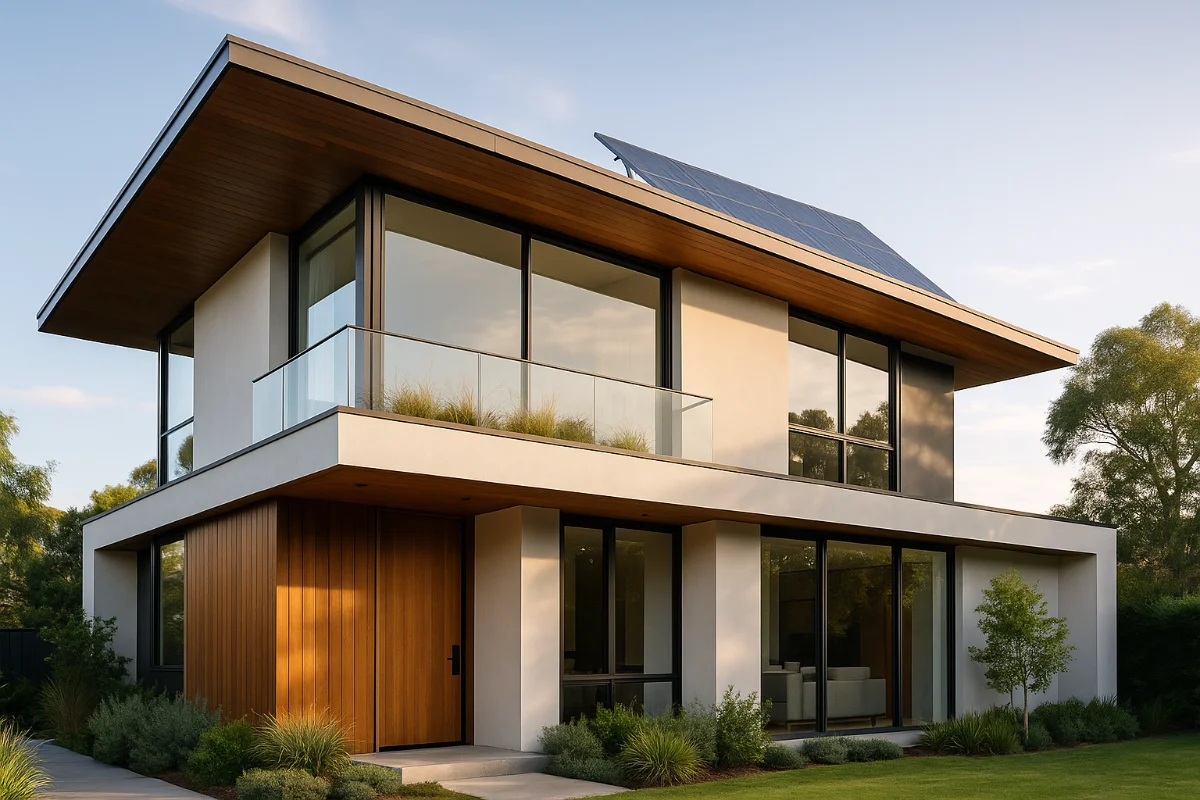
Building the Future, Today
Australia’s skylines are changing. From energy-efficient homes in suburban Melbourne to futuristic commercial towers in Sydney, the future of building design is no longer a distant dream—it’s happening right now.
Driven by sustainability, technology, and the changing ways we live and work, modern design is evolving rapidly. Australians aren’t just asking for four walls and a roof anymore—they want smart, eco-friendly, flexible spaces that look good and make life easier.
In this article, we’ll explore what the future holds for building design in Australia: the trends, technologies, and innovations shaping our homes, workplaces, and public spaces. Spoiler: it’s a lot more exciting than just “open-plan living.”
Snapshot Summary: Key Takeaways
Here’s a quick look at what the future of building design means for Australia:
- Sustainability will dominate—green buildings are becoming the norm, not the niche.
- Technology (AI, 3D printing, smart homes) is transforming how buildings are designed and constructed.
- Flexible and multi-functional spaces are essential as work and home life blend.
- Biophilic design (bringing nature indoors) will support mental health and wellbeing.
- Regulations, materials, and lifestyle needs will shape building design more than ever.
Want the details, the trends, and a quiz to test your knowledge? Keep reading.
1. The Sustainability Revolution
The future of building design in Australia is green—literally. With rising energy costs and climate change concerns, sustainability is no longer optional.
Emerging Green Trends:
- Solar-powered homes and offices.
- Energy-efficient insulation and glazing.
- Water recycling systems and rainwater tanks.
- Passive design (using orientation and natural airflow to reduce heating/cooling).
Did You Know? According to the Green Building Council of Australia, buildings contribute around 25% of the nation’s greenhouse emissions. Designing smarter, greener spaces is key to reducing this.
Pro Tip: If your home design still ignores solar orientation in Australia, you’re basically paying your energy bills to the sun god unnecessarily.
2. Technology’s Role in the Future of Building Design
Technology isn’t just about gadgets—it’s changing the entire design and construction process.
- 3D Printing: Entire houses can now be printed in days.
- Building Information Modelling (BIM): Allows architects, engineers, and builders to collaborate digitally before the first brick is laid.
- Smart Homes: Integration of lighting, heating, security, and appliances into automated systems.
- AI Design Tools: Artificial intelligence helps optimise building layouts for energy, space, and aesthetics.
Quote:
“Technology is not replacing architects or builders—it’s making them smarter, faster, and more sustainable.” – Australian Institute of Architects.
3. Flexible Spaces for Modern Living
The pandemic taught us one thing: homes need to be flexible. Today’s buildings must adapt to multiple uses—work, study, relaxation, and entertainment.
Future-Friendly Design Features:
- Multi-purpose rooms with movable partitions.
- Foldable furniture and built-in storage.
- Hybrid home-office spaces with better lighting and acoustics.
- Outdoor areas designed for year-round use.
4. Biophilic Design: Nature Indoors
Biophilic design (bringing nature into buildings) is booming because Australians know the benefits of outdoor living.
Elements include:
- Indoor gardens and vertical green walls.
- Natural ventilation and daylight.
- Use of timber and stone for natural aesthetics.
- Views of green landscapes, even in urban centres.
Did You Know? Research shows biophilic design can improve productivity by 15% and reduce stress significantly.
5. Future Materials Shaping Building Design
Gone are the days of just bricks and mortar.
Materials of the Future:
- Cross-Laminated Timber (CLT): Strong, renewable, and reduces carbon footprint.
- Recycled Steel & Concrete: Lower impact, high strength.
- Self-healing Concrete: Repairs its own cracks (yes, really).
- Transparent Solar Glass: Windows that generate power.
Humour break: Imagine bragging: “My house runs on window power.” Sounds odd, but it’s the future.
6. Quick Guide: Designing Smarter Buildings
The Situation
A Sydney family wants to build a new home but worries about cost, sustainability, and future-proofing.
Common Challenges
- Will today’s design still work in 20 years?
- How do we reduce energy bills long-term?
- Can we afford high-tech solutions?
How to Solve It
- Plan for Flexibility: Open layouts and multipurpose rooms.
- Invest in Efficiency: Solar panels, insulation, passive design.
- Use Smart Tech Wisely: Automate essentials like lighting/heating.
- Choose Durable Materials: CLT, recycled steel, long-lasting finishes.
Why It Works
They create a home that adapts with time, saves money, and has lasting value in the property market.
Lesson: Smart design is not about being futuristic—it’s about being prepared.
7. Urban Spaces and Future Cities
The future of building design isn’t just about houses—it’s about entire communities.
Urban Trends:
- Mixed-use developments (work, live, play in one location).
- Walkable neighbourhoods with bike paths and fewer cars.
- Community green spaces integrated into city planning.
- High-density housing designed with wellness in mind.
Quote:
“Australian cities of the future must balance density with liveability—designing smarter, greener, and more connected spaces.” – Urban Development Institute of Australia.
8. Challenges in Building Design’s Future
It’s not all smooth sailing.
Obstacles Ahead:
- Rising construction costs.
- Skills shortages in specialist trades.
- Balancing sustainability with affordability.
- Regulatory hurdles in adopting new technologies.
Pro Tip: If you’re designing a home, factor in regulatory approvals early—council red tape can outlast even the toughest bricks.
9. The Human-Centric Future
At the end of the day, buildings aren’t just structures—they’re about people. The future of building design will prioritise:
- Comfort and wellbeing.
- Accessibility for ageing populations.
- Spaces that support mental health.
- Designs that strengthen communities, not isolate individuals.
Mini Quiz: Test Your Design Knowledge
Q1. Which building material can repair its own cracks?
- A) Steel
- B) Self-healing Concrete
- C) Timber
Q2. What does biophilic design focus on?
- A) Bigger buildings
- B) Nature integration
- C) Solar panels only
Q3. Which technology helps simulate buildings digitally before construction?
- A) BIM
- B) GPS
- C) VR goggles at Bunnings
(Answers: Q1—B, Q2—B, Q3—A)
FAQs: Future of Building Design
Q: Will homes in Australia all be solar-powered in the future?
Likely yes—solar and batteries are becoming standard, supported by rebates and falling tech costs.
Q: How will technology impact building costs?
Upfront costs may rise, but long-term savings in energy and efficiency balance this out.
Q: Is sustainability only for new builds?
No. Retrofitting older homes with insulation, solar, and efficient systems is part of Australia’s future design focus.
Q: What’s the role of architects in the future?
Architects will blend creativity with technology—using AI, BIM, and data to design smarter, greener buildings.
Q: Will traditional materials disappear?
Not entirely. Bricks and timber will still exist but often combined with innovative, eco-friendly alternatives.
Conclusion
The future of building design in Australia is bold, green, and human-focused. From solar glass windows to flexible hybrid homes, tomorrow’s spaces will blend sustainability, technology, and community needs.
For Australians, this isn’t just about trends—it’s about shaping liveable, affordable, future-proof spaces for generations to come.
So, whether you’re dreaming of a smart home by the beach or investing in the next skyscraper in Melbourne, one thing is certain: the buildings of the future will be smarter, greener, and built with people in mind.
Disclaimer
This blog post provides general information only about the future of building design in Australia. It is not architectural, financial, or legal advice. Always consult licensed professionals for specific guidance.