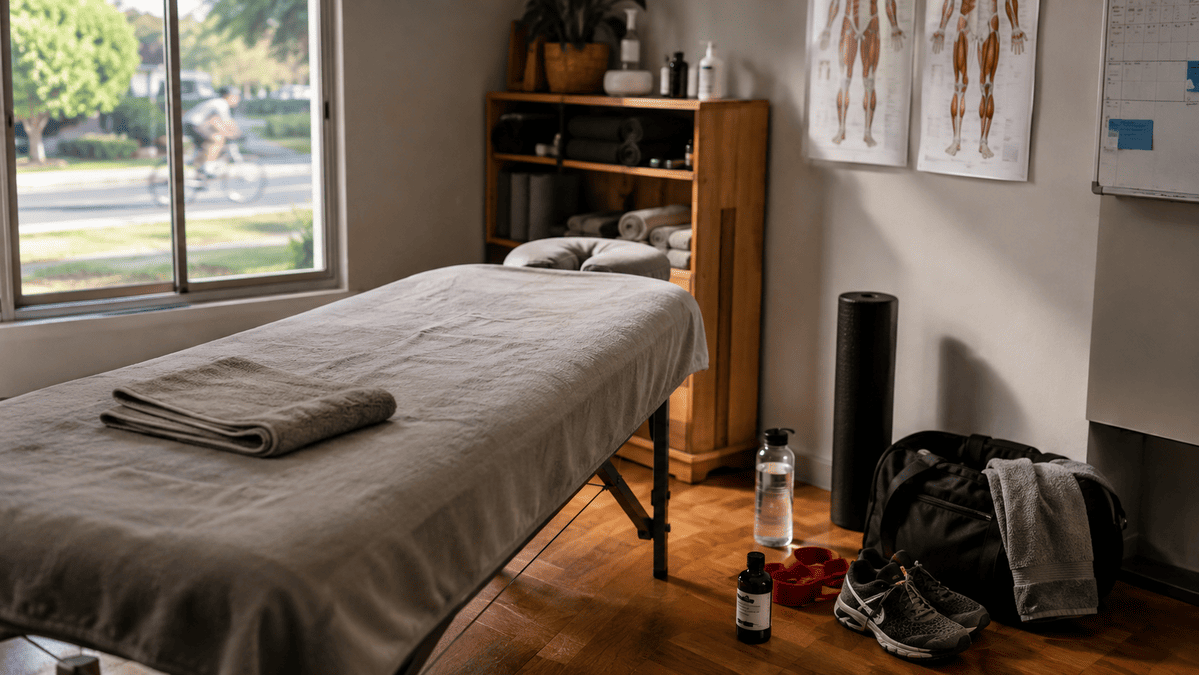

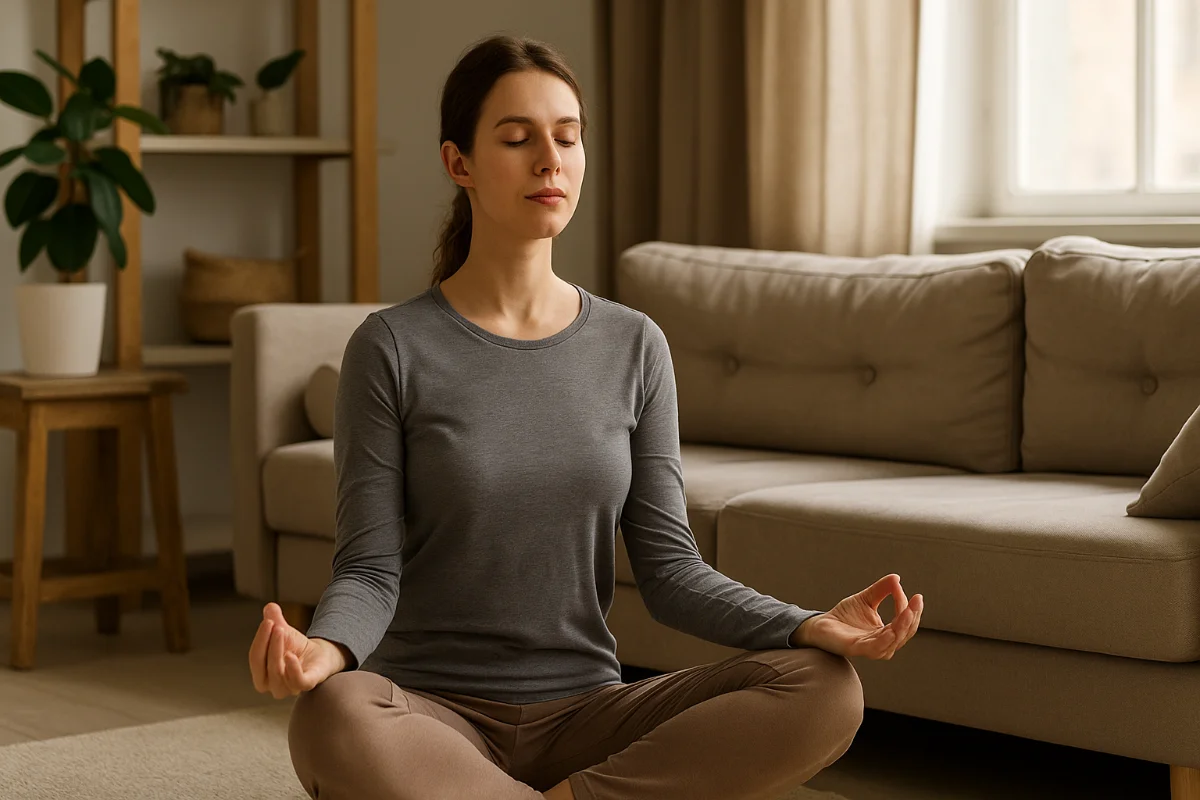
If your brain right now is a jumble of email notifications, half-finished to-do lists, and “where did I leave my coffee cup?”, you’re definitely not alone. In a world where our days are packed and our downtime is… what downtime? — focusing on wellness and mindfulness practices isn’t just nice, it’s necessary.
This post will guide you through straightforward wellness and mindfulness habits you can adopt in Australia, even if your schedule is chaotic and your Wi-Fi slow. We’ll talk real-life routines, skip the fluff, and yes, maybe even laugh at the fact our phones demand more attention than our lunch break.
Quick Overview: Snapshot Summary
- Wellness and mindfulness practices centre on being present, reducing stress and improving mental and physical well-being.
- Key benefits (supported by Australian research): lower stress, better mental health, improved sleep. (PubMed Central)
- The goal isn’t perfection—it’s regular, realistic habit formation, not turning into a meditation monk overnight.
- This post provides a roadmap: what to do, how to do it, and how to measure your progress.
Ready to see how you can reset your busy mind with simple practices? Keep reading.
Section 1: What Are Wellness & Mindfulness Practices (and Why Bother?)
What We Mean By Them
- Wellness practices: behaviours and habits that support your overall health—physical, mental, social, environmental.
- Mindfulness practices: specific techniques that centre attention on the present moment, non-judgmentally. (Think: noticing your breath instead of your 378 unread emails.) (Monash University)
- Together, these practices help you reset a busy mind, anchor in calm, and move with more clarity rather than autopilot.
Why They Matter (Especially in Australia)
- In Australia, mindfulness and meditation practices show real benefits. For example, long-term meditation practitioners recorded better mental health and vitality compared to the general population. (PubMed Central)
- A large Australian employee-based trial found app-based mindfulness training reduced stress and improved well-being in government workers. (PubMed Central)
- In a busy work environment (hello, hybrid/remote Aussie work culture), these practices give you tools not just “nice ideas”.
If your mind is constantly racing, practicing wellness and mindfulness is not optional—it’s strategic.
Section 2: Core Practices You Can Start Today
Here are practical, easy-to-understand practices you can begin—even if you only have five minutes.
Practice A: 5-Minute Mindful Pause
- Sit silently. Breathe in for 4 seconds, out for 4 seconds, repeat 5-10 times.
- Notice distractions (yes, your phone buzzing might count), then gently return your attention to your breath.
- Do this before you dive into your inbox, or after a meeting to reset.
Did You Know?
Even short mindfulness pauses (less than 10 minutes) have been shown to reduce stress indicators. (PubMed Central)
Practice B: Movement with Awareness
- Not just “go to gym” but: choose one movement where you’re present. Maybe a 10-minute walk, noticing footsteps, the sky, the wind.
- Combine movement and mindfulness = double benefit. In fact, research shows combining physical activity with mindfulness delivers more well-being improvement than either alone. (ScienceDirect)
- In Australia, a brisk walk along a beach, a park circuit, or even stairs in the office work well.
Practice C: Mindful Eating or Drinking
- Before eating lunch: take one minute to ‘check in’—what are you hungry for? What flavours are you about to taste?
- Drink your tea/coffee without scrolling. Savor aroma. Sip. Repeat.
- This anchors your body + mind into the moment, rather than multitasking on autopilot.
Practice D: Digital Detox or Device Boundary
- Set clear boundaries: no screens for 30 minutes before bed, or no social apps for one lunch break.
- Choose a small period each day to completely disconnect.
- For Aussie contexts: perhaps consider a “sunset tech-pause” when daylight starts to fade—builds a natural wind-down.
Practice E: Gratitude or Reflection Moment
- At end of day: write (or mentally note) 3 small wins or things you’re grateful for—didn’t spill your coffee, finished a report, saw a laughing dog on the street.
- This shifts your mind toward wellbeing rather than “what still needs doing”.
Section 3: Quick Guide – Integrating these Practices into a Busy Australian Life
Intro
You’ve got a job, maybe kids, maybe long commute, maybe working from a spare room that doubles as laundry. How do you make wellness and mindfulness practices fit?
Common Challenges
- I don’t have time for lengthy meditation or wellness routines.
- I forget to do these—life just happens.
- When I try to relax I feel guilty (or distracted anyway).
How to Solve It
- Embed into existing routines: Anchor a 5-minute mindful pause right after your morning coffee, or after checking emails.
- Micro-slots add up: Two 3-minute resets are better than waiting to find a full hour.
- Keep it low-cost & local: No need for exotic retreats. Aussie parks, beaches, or quiet corners work.
- Use tools/apps: Australian apps like the free Smiling Mind provide structured sessions to get started. (Wikipedia)
Why It Works
It’s not about the big commitment—it’s about making moments count. These small practices give your mind a reset button.
Interactive Section: Wellness & Mindfulness Self-Survey
Rate the following statements from 1 (Strongly Disagree) to 5 (Strongly Agree):
| Statement | Score |
|---|---|
| I take at least one purposeful break each day where I pause, breathe or reflect. | |
| I move my body mindfully (walk, stretch, notice) at least 3-4 times per week. | |
| I have a boundary around device/screen use, especially before bed. | |
| I engage in one mindfulness or reflective practice regularly (daily or weekly). | |
| I note or record at least one thing I’m grateful for each day. |
Interpretation
- 21-25: Excellent—you’re actively nurturing wellness and mindfulness.
- 13-20: Good effort—pick 1-2 practices here to build in this week.
- ≤12: Time to commit to one small habit and build from there.
Section 4: Barriers & How to Get Around Them
Mistakes or Misconceptions
- “I must meditate for 30 minutes to benefit” — nope. Even brief practices help.
- “Only for people with lots of time” — wellness practices are about fitting into busy lives, not demanding them.
- “Mindfulness solves everything” — it’s a tool, not a magic wand. It complements other healthy habits.
Pro Tip Box
If you find yourself thinking “I’ll start when things calm down” — note: things rarely calm down. Start now in your moment of chaos.
Section 5: FAQs
Q: I’m really busy—how much time do I need for mindfulness practices?
A: Even 2-5 minutes daily can have meaningful benefit. Studies show small doses reduce stress and improve mental health. (PubMed Central)
Q: Can mindfulness help with sleep or anxiety?
A: Yes. Meta-analyses indicate mindfulness-based interventions improve sleep quality, reduce anxiety and depression. (Frontiers)
Q: What if I’m in rural or remote Australia—can I still do this?
A: Absolutely. Practices are portable—walks in nature, phone-based apps, quiet corners, open fields. For many Australian contexts, being outside also amplifies benefit.
Q: I tried mindfulness and found it hard—it felt strange and I gave up.
A: You’re not alone. The key is consistency, not perfection. Start small, treat it like a muscle you build. Focus on presence rather than performance.
Conclusion
Facing a busy mind doesn’t require a dramatic transformation—it calls for simple, consistent wellness and mindfulness practices. By embedding pauses, mindful movement, digital boundaries and reflective moments into your Aussie routine, you’ll gradually reset your internal rhythm, reduce stress, and sharpen focus. You don’t need a luxury retreat; you just need intention, a quiet corner, and the willingness to show up for yourself. With small shifts today, you’re building a calmer, more resilient tomorrow.
Disclaimer
This post is for informational and educational purposes only. It does not substitute for professional medical or mental-health advice. If you have specific health conditions or concerns, consult a qualified practitioner before introducing new wellness or mindfulness practices.