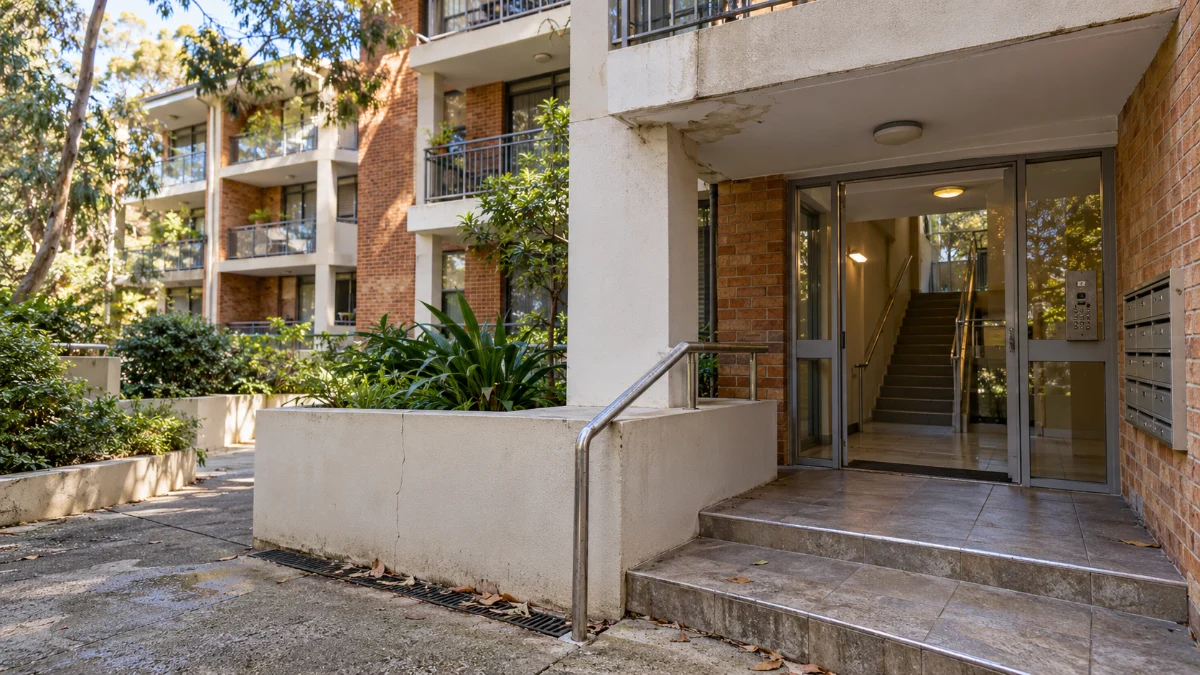


Real estate remains one of the most popular investment options in Australia, offering opportunities for capital growth, rental income, and long-term financial security. In 2026, the property market continues to evolve with new trends, government incentives, and strategies for both beginners and seasoned investors.
This guide will walk you through everything you need to know about Australian real estate investment — from market insights and types of properties to tips, risks, and expert advice.
Quick Overview (Snapshot Summary)
- Market Trends 2026: Key insights for Australian property investors
- Investment Types: Residential, commercial, and rental properties
- Financing & Loans: Mortgages, interest rates, and government schemes
- Strategies & Tips: How to maximise returns and minimise risks
- Legal & Tax Considerations: Compliance, taxes, and deductions
Want to dive deeper? Keep reading for the full investment roadmap!
1. Understanding the Australian Property Market
- The market is influenced by interest rates, population growth, and economic conditions
- Major cities like Sydney, Melbourne, Brisbane, and Perth have different growth rates and rental yields
- Regional areas can offer affordable entry points and high capital growth potential
Pro Tip: Always research local market conditions before buying — one size doesn’t fit all.
2. Types of Real Estate Investment
2.1 Residential Properties
- Single-family homes, apartments, and townhouses
- Popular for rental income and long-term capital appreciation
2.2 Commercial Properties
- Offices, warehouses, and retail spaces
- Typically higher rental yields but require more capital and management
2.3 Rental Investments
- Buy-to-let properties offer regular income streams
- Short-term rentals (like Airbnb) are gaining popularity in urban and tourist areas
Humour Tip: Don’t rent out a unit with a “haunted” history — even ghosts don’t pay rent.
3. Financing Your Investment
- Mortgages: Choose between fixed, variable, or interest-only loans
- Government Incentives: First Home Loan Deposit Scheme, grants for certain buyers
- Budgeting: Include stamp duty, legal fees, and maintenance costs
Pro Tip: Speak with a mortgage broker to find the best rates and loan structures in 2026.
4. Strategies for Profitable Real Estate Investment
- Buy & Hold: Long-term growth through capital appreciation
- Flipping: Buying, renovating, and selling for profit
- Diversification: Spread investments across cities, property types, or price ranges
- Value-Add: Renovations, extensions, or upgrades to increase rental income
5. Legal & Tax Considerations in Australia
- Taxes: Capital Gains Tax (CGT), land tax, and rental income tax
- Compliance: Building codes, safety regulations, and tenancy laws
- Professional Advice: Use accountants and property lawyers to optimise your investments
6. Quick Guide: Steps to Start Investing in 2026
- Set Your Goals: Determine whether income, growth, or a mix is your priority
- Research Locations: Analyse property market trends and rental demand
- Secure Financing: Explore loans, grants, and financial assistance
- Inspect Properties: Check condition, potential repairs, and investment viability
- Hire Professionals: Mortgage brokers, real estate agents, and legal advisors
- Plan for Management: Decide between self-management or property managers
7. Interactive Quiz: Are You Ready to Invest in Australian Property?
1. Your investment goal:
A. Long-term capital growth
B. Rental income
C. Flipping for profit
D. Diversification
2. How much experience do you have with property investment?
A. None, first-time investor
B. Some, already own a property
C. Experienced, multiple properties
3. Your budget (AUD):
A. <$500,000
B. $500,000–$1,000,000
C. $1,000,000+
Results:
- Mostly A → Start small, research thoroughly, consider beginner-friendly options
- Mostly B → Expand your portfolio strategically, focus on high-demand areas
- Mostly C → Explore larger investments, diversification, and professional management
8. FAQs
Q1: Is Australian real estate still a good investment in 2026?
Yes, if you research market trends, location, and manage risks carefully.
Q2: Should I invest in residential or commercial property?
It depends on your goals: residential is safer for beginners, commercial can offer higher returns.
Q3: How much deposit do I need?
Typically 10–20% for investment properties, but government schemes may reduce this.
Q4: Can I invest in property remotely in Australia?
Yes, but consider property managers and local market insights to avoid mistakes.
Conclusion
Investing in Australian real estate in 2026 offers numerous opportunities for capital growth, rental income, and wealth building. By understanding market trends, selecting the right property type, securing financing, and implementing effective strategies, investors can maximise returns while minimising risks. Legal compliance, taxes, and professional guidance are critical to making informed decisions. Whether you’re a first-time buyer or expanding a portfolio, 2026 presents a dynamic and promising landscape for Australian property investment. Start with research, set clear goals, and leverage expert advice to make your real estate journey profitable and sustainable.
Disclaimer
This article provides general information about Australian real estate investment and is not financial or legal advice. Always consult licensed professionals before making investment decisions.