

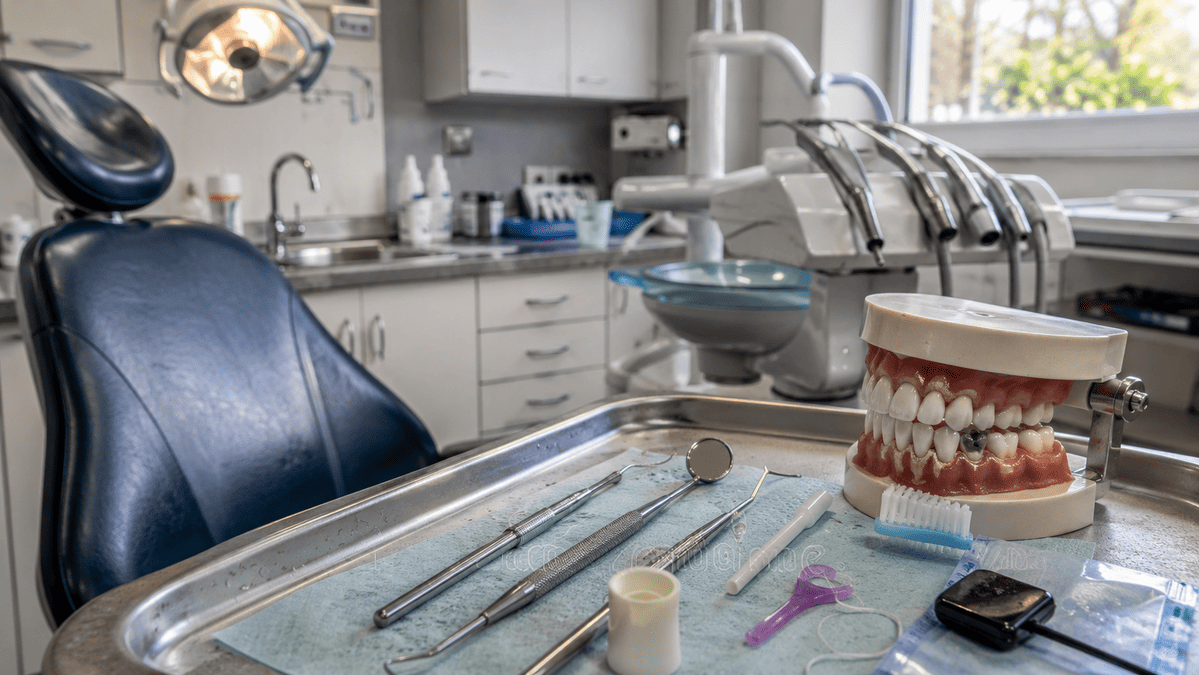
Most people know they should visit the dentist regularly, but the term General Dental care can still feel surprisingly vague. Does it simply mean a routine check-up? Does it include fillings? What about gum care, X-rays or preventive treatments?
In simple terms, general dental care covers the everyday dental services that help maintain healthy teeth and gums, identify problems early and treat common oral health concerns. For patients across Australia, it often forms the foundation of ongoing dental care before more complex or specialist treatment is considered.
This article explains what general dental care usually includes, why each service matters and how these treatments fit together as part of a practical long-term approach to oral health.
At a Glance
General Dental care commonly includes:
- Routine dental examinations
- Professional teeth cleaning
- Dental X-rays when clinically appropriate
- Fillings for tooth decay
- Gum health assessment and care
- Preventive advice and oral hygiene guidance
- Management of tooth sensitivity and minor dental concerns
- Treatment planning and referrals when more specialised care is required
The exact services you need will depend on your oral health, dental history, symptoms and risk factors.
Want to understand what each part of General Dental care actually involves? Keep reading.
Routine Dental Check-Ups
Regular examinations are one of the most familiar parts of General Dental care.
During a routine appointment, a dentist may examine your teeth, gums, bite and existing dental work. They may also ask whether you have experienced symptoms such as sensitivity, pain, bleeding gums or discomfort when chewing.
The goal is not simply to look for cavities.
A dental examination may help identify:
- Early signs of tooth decay
- Cracked or worn teeth
- Problems with fillings or crowns
- Gum inflammation
- Plaque and tartar build-up
- Changes in your bite
- Areas that may need closer monitoring
The earlier a dental issue is identified, the more options there may be for managing it.
That is why routine care can still be valuable even when everything feels fine.
Professional Teeth Cleaning
Even if you brush twice a day, some areas of the mouth are difficult to clean thoroughly at home.
Plaque can accumulate around the gumline, between teeth and in other awkward spots. Over time, some plaque may harden into tartar, which generally requires professional removal.
A professional clean may involve removing deposits from the teeth and polishing certain surface stains.
Your dental professional may also point out areas where your brushing or interdental cleaning could improve.
Pro Tip
If your dentist keeps mentioning the same difficult-to-clean area, ask them to show you exactly how to reach it.
A small change in brushing technique can sometimes be more useful than buying the fanciest toothbrush available. Your bathroom cabinet probably has enough gadgets already.
Dental X-Rays
Dental X-rays are another common part of General Dental care, although they are not necessarily required at every appointment.
Dentists may recommend X-rays when they need information that cannot be gathered from a visual examination alone.
They can help assess areas such as:
- Between teeth
- Under existing fillings
- Around tooth roots
- Bone surrounding the teeth
- Impacted or developing teeth
- Certain infections or abnormalities
The frequency of dental X-rays varies from person to person.
Your dentist should consider your dental history, previous findings, symptoms and level of risk before recommending them.
Fillings and Treatment of Tooth Decay
Tooth decay remains one of the most common reasons people require General Dental treatment.
When decay damages part of a tooth, the affected area may need to be removed and restored with a filling.
A filling helps rebuild the tooth and restore its function.
However, not every area of early decay automatically requires the same treatment. Depending on the stage and circumstances, your dentist may discuss monitoring, preventive measures or restorative treatment.
Did You Know?
A cavity does not always cause immediate pain. Some dental problems can progress quietly, which is one reason routine examinations are useful.
Waiting for a tooth to become painful before booking an appointment can sometimes mean the problem is already more advanced.
Gum Health and Periodontal Care
Healthy teeth need healthy gums around them.
General Dental care often includes assessment of the gums for signs of inflammation or gum disease.
Your dentist or hygienist may look for:
- Bleeding
- Swelling
- Gum recession
- Tartar build-up
- Changes around the supporting tissues of the teeth
Early gum problems may sometimes be managed with improved home care and professional cleaning.
More advanced problems may require additional treatment or referral.
If your gums bleed regularly when brushing, it is worth mentioning rather than assuming that bleeding is simply normal.
Preventive Dental Advice
One of the most valuable parts of General Dental care happens outside the dental chair.
Dentists can provide practical advice on preventing future problems based on your individual needs.
This may include guidance on:
- Brushing technique
- Cleaning between teeth
- Toothpaste selection
- Diet and sugar frequency
- Managing dry mouth
- Protecting teeth during sport
- Reducing damage from grinding or clenching
Preventive advice should ideally be personalised.
Someone with frequent cavities may need different guidance from a person whose main concern is gum health.
Quick Guide: When General Dental Care Can Help
Imagine your teeth generally feel fine, but you have noticed occasional sensitivity and your gums sometimes bleed when you brush. Nothing feels serious enough to call an emergency, but you are not sure whether it should be checked.
Common Challenges
- Do you keep ignoring minor sensitivity because it disappears quickly?
- Are your gums bleeding regularly when brushing or flossing?
- Has it been a long time since your last dental examination?
How to Approach It
Book a routine dental assessment
A dentist can examine the areas causing concern and determine whether further treatment is needed.
Describe your symptoms clearly
Mention when sensitivity occurs, how long it lasts and whether anything makes it worse.
Ask about your gum health
Bleeding gums may have several causes, so ask what your dentist is seeing during the examination.
Review your home care routine
Small improvements in brushing and cleaning between teeth can make a meaningful difference.
Why This Works
General Dental care is designed to manage everyday oral health concerns before they necessarily become urgent problems.
By combining examination, prevention and appropriate treatment, patients can make informed decisions instead of waiting until discomfort forces them into the dental chair.
What Happens When You Need More Than General Dental Care?
A general dentist can manage many common dental needs, but some situations may require a practitioner with additional expertise.
Depending on the problem, your dentist may refer you for services involving areas such as:
- Complex root canal treatment
- Advanced gum treatment
- Oral surgery
- Orthodontics
- Specialist restorative care
Referral does not necessarily mean something is seriously wrong. It may simply mean the situation would benefit from more specialised assessment or treatment.
A good General Dental provider can help coordinate this next step.
Mini Quiz: How Is Your Dental Routine Looking?
Answer Yes or No.
1. Do you brush your teeth twice a day?
2. Do you clean between your teeth regularly?
3. Have you had your teeth and gums professionally examined recently?
4. Would you book a dental appointment if you noticed ongoing sensitivity or bleeding gums?
5. Do you know whether any of your existing fillings need monitoring?
Your Result
4–5 Yes answers:
Your oral health routine sounds reasonably organised. Keep maintaining it.
2–3 Yes answers:
There may be a few opportunities to improve your preventive care.
0–1 Yes answers:
Your toothbrush may be feeling slightly unsupported.
This quick quiz is only for general awareness and does not replace professional dental advice.
Questions to Ask at Your Next General Dental Appointment
A dental appointment is also an opportunity to learn more about your oral health.
Consider asking:
- Are there any areas I should monitor?
- How healthy are my gums?
- Am I brushing effectively?
- Should I clean between my teeth differently?
- Are my fillings or restorations still in good condition?
- Do I need any X-rays?
- When should I return for another check-up?
Asking questions can help you understand not only what your dentist recommends, but also why.
FAQs About General Dental Care
Is General Dental care only for people with dental problems?
No.
General Dental care includes both treatment and prevention. People may visit simply for routine examinations, professional cleaning and advice even when they have no obvious symptoms.
Preventive care is a major part of maintaining long-term oral health.
How often should I have a dental check-up?
There is no single interval that suits everyone.
Your recommended recall schedule may depend on:
- Your dental history
- Your risk of tooth decay
- Gum health
- Existing restorations
- Current symptoms
- Other individual risk factors
Your dentist can recommend a timeframe based on your circumstances.
Does General Dental care include emergency treatment?
General dentists may manage many urgent dental problems, including toothache, broken teeth or damaged fillings.
However, availability depends on the clinic, and some situations may require specialist or hospital-based care.
If you experience significant swelling, trauma or severe symptoms, seek appropriate professional advice promptly.
Is professional cleaning the same as whitening?
No.
A professional clean focuses on removing plaque, tartar and certain surface deposits.
Whitening is a cosmetic treatment designed to lighten the colour of teeth.
Your dentist can explain which option is appropriate depending on what you want to achieve.
Can children receive General Dental care?
Yes. General dental services can include examinations, preventive care, oral hygiene guidance and treatment for children.
Early dental visits can also help children become familiar with the dental environment before problems develop.
Conclusion
General Dental care covers much more than simply fixing a tooth when something hurts. It includes routine examinations, professional cleaning, preventive advice, fillings, gum assessment, X-rays when appropriate and the management of many everyday oral health concerns.
The purpose is to maintain oral health, identify potential problems early and provide treatment when needed. By understanding what general dental care includes, patients can take a more active role in looking after their teeth and gums. Regular dental care, combined with consistent home habits and good communication with your dentist, can help support comfortable, functional and healthy teeth over the long term.