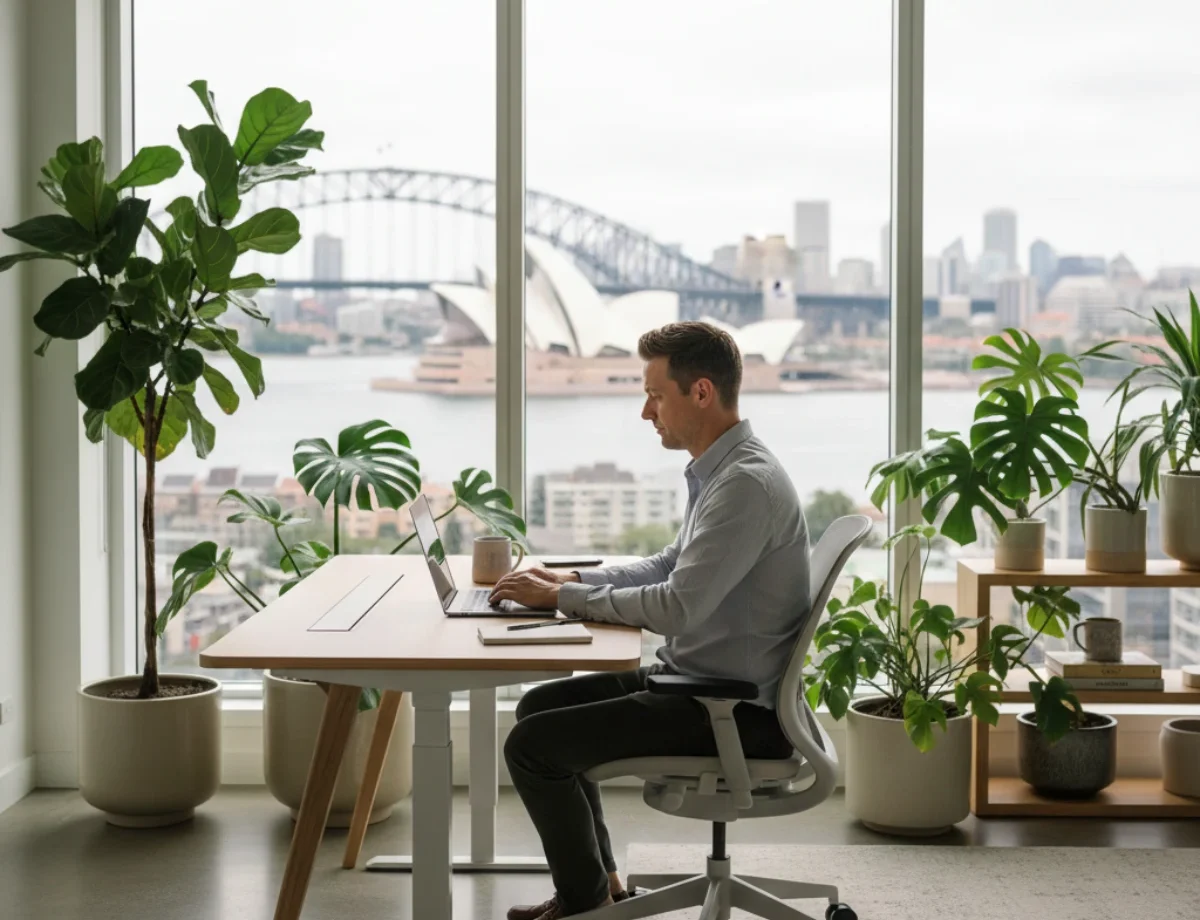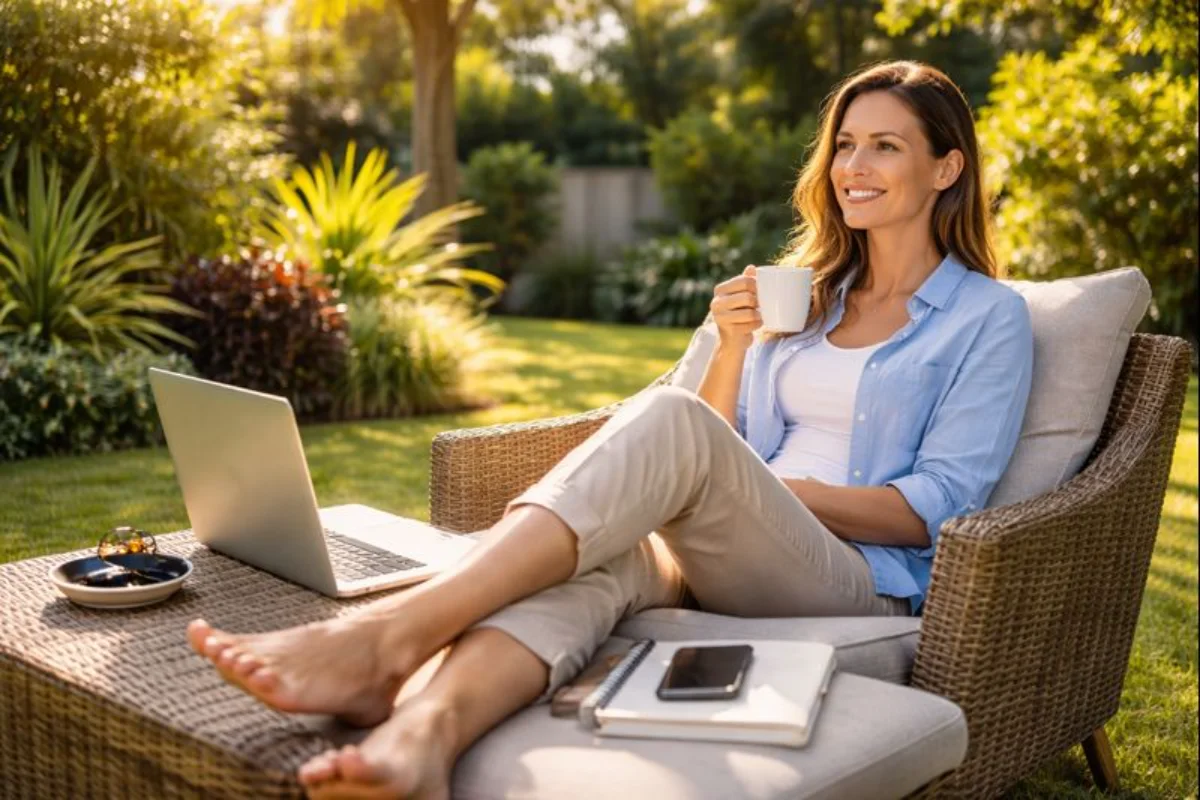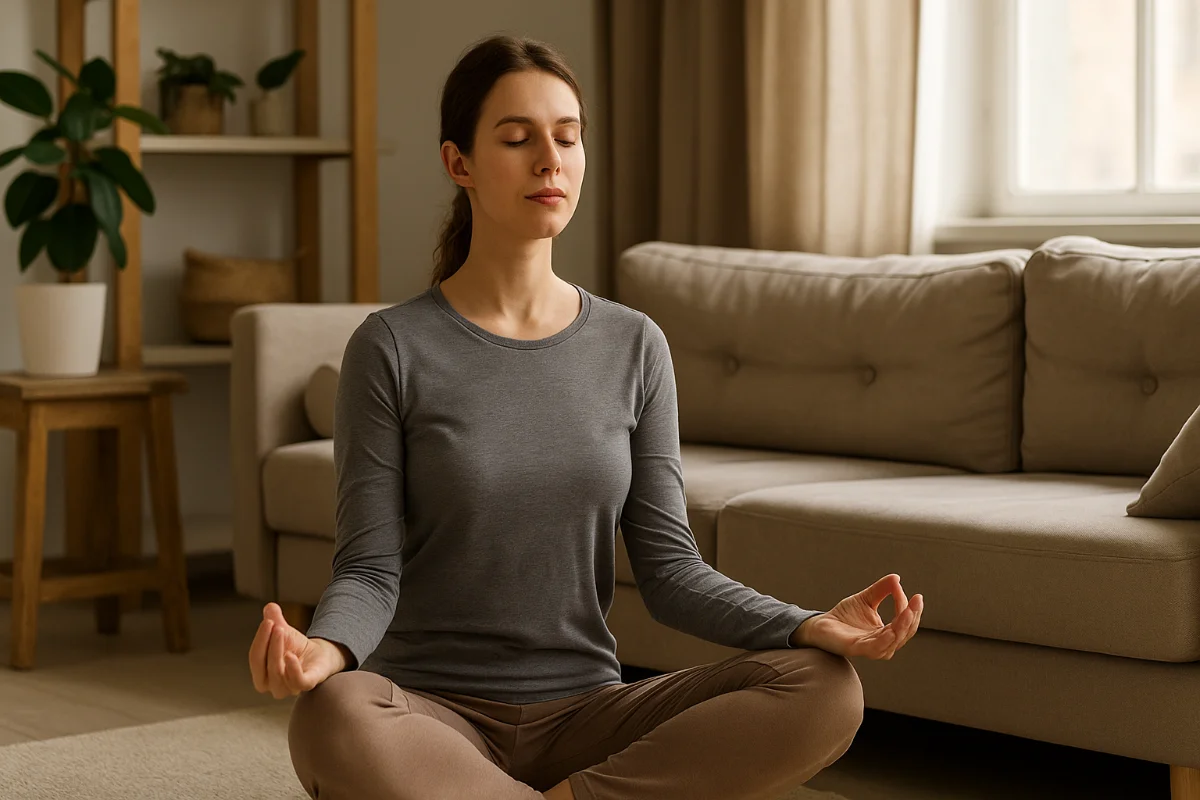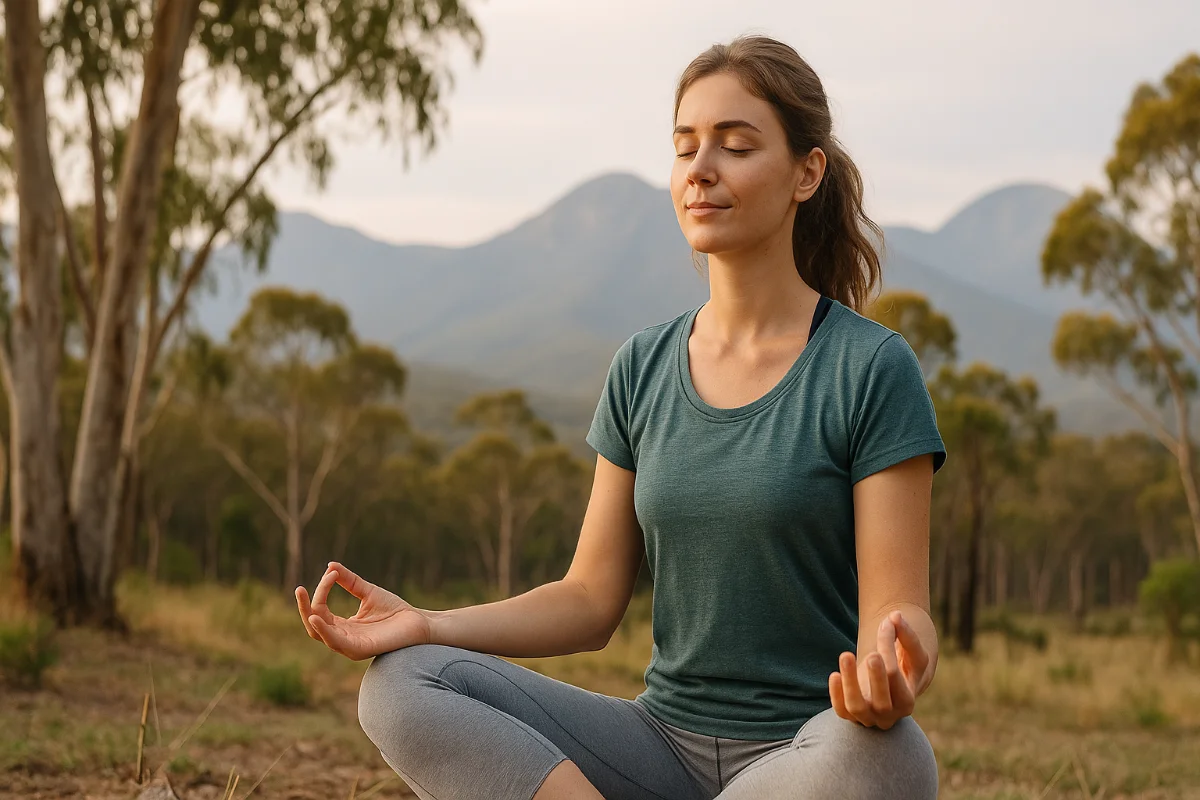


If “healthy lifestyle” makes you think of kale smoothies, dawn runs, and hourly meditation bells—you’re partly right, but it’s also a lot simpler (and more realistic) than that. In this guide we’ll focus on how to adopt a healthy lifestyle in Australia in a sustainable, everyday way—without turning your life upside down or making your weekends feel like boot camp.
Whether you live in Perth, Sydney, regional Queensland or inland NSW, your lifestyle matters—and small shifts can have big impact.
Quick Overview: Snapshot Summary
- Living a healthy lifestyle means balancing physical activity, nutrition, rest, mindset and environment.
- Many Australians fall short in key areas: less than 3 in 10 do the recommended strength/toning exercises. (Australian Bureau of Statistics)
- Focus on habits over heroics: what you do consistently matters more than big gestures.
- This post is your toolkit for a healthy lifestyle—pick what fits your rhythm, keep it Aussie and keep it real.
Want to dive deeper into each element of your healthy lifestyle? Keep reading.
Why a Healthy Lifestyle Matters Down Under
Australia has enviable features—sun, sea, open space, relaxed working culture—but also some challenges when it comes to public health and lifestyle habits.
- In 2022, more than half of adults did not meet key physical activity guidelines. (Health, Disability and Ageing)
- A very small share of Australian adults meet both fruit & vegetable recommendations: only ~4.2% met the combined target in 2022. (Australian Bureau of Statistics)
- Non-communicable diseases (heart disease, diabetes, musculoskeletal issues) remain the major burden of disease in Australia. (PMC)
A healthy lifestyle isn’t just a feel-good bonus—it’s a practical response to the realities many Australians face.
Core Pillars of a Healthy Lifestyle
Here’s how you can frame your healthy lifestyle habitually.
1. Move Your Body
Regular physical activity contributes to cardiovascular health, mood, bone strength and more.
- Aim for a mix: aerobic activity + strength/toning. Note: only ~30.5% of Australians aged 15+ completed strength or toning exercises in 2022. (Australian Bureau of Statistics)
- Walking is under-utilised. In 2022, nearly half of Australians reported walking for exercise (48.5%) and transport (47.4%). (Australian Bureau of Statistics)
- If lifting weights or joining a gym isn’t your thing—bodyweight exercises, home routines or community sport count.
Pro Tip Box
Choose a physical activity that suits your environment. If you’re in a coastal town: walk the beach. If you’re in an urban high-rise: use stairs, lunchtime gym bursts, or home circuits.
2. Eat & Nourish Well
Nutrition is foundational to a healthy lifestyle.
- Focus on whole foods—lean protein, vegetables, fruit, whole grains—rather than “diet hype”.
- Sadly, many Australians are missing the mark. For example: in 2022 only ~4.2% of adults met both the fruit and vegetable recommendations. (Australian Bureau of Statistics)
- Trends show Australians increasingly choosing plant-based and alternative foods (22% increase in meat substitutes). (Innova Market Insights)
Did You Know?
Many working Australians consider “cost of living” a barrier to healthy eating. In fact, nearly 49% reported this in a recent survey. (News.com.au)
3. Rest, Recovery & Sleep
A healthy lifestyle isn’t just about going full throttle—it’s also about smart rest.
- Aim for consistent sleep times, good quality sleep, and manage stress.
- When work bleeds into evenings (hello remote/hybrid workers), boundaries matter.
- Recovery includes breaks, mental rest, and active recovery days.
4. Social, Mind & Environment
Your lifestyle is more than physical health—it’s mental, social and environmental as well.
- Value social connections: they support mental health and build long-lasting habits.
- Mindset matters: how you speak to yourself, your goals, stress management.
- Environment: your home, your workspace and your neighbourhood influence habit-forming. AIA’s “healthiest places” research found that healthy lifestyle habits correlated with certain Local Government Areas. (Herald Sun)
Quick Guide: Real Life Aussie Example
Intro
Imagine you’re working in Brisbane’s CBD, commuting each morning, sitting behind a screen most of the day, and by 7 pm you’re too tired to move—but you want a healthy lifestyle.
Common Challenges
- Struggle to fit exercise into your schedule?
- End up eating take-away because planning meals is too time-consuming?
- Sleep suffers due to screen late at night and no wind-down routine?
How to Fix It
- Micro-movement bursts: 5-minute walks, stand up every hour, use stairs rather than lifts.
- Meal planning & batch cooking: Pick one day to prep 2-3 lunches/dinners—freeze portions, rotate meals.
- Wind-down ritual: 30 minutes before bed no screens (yes—put the phone away), maybe read or stretch, dim the lights.
- Social check-in: Call a friend while walking, join a weekend group (e.g., “Heart Foundation Walking”) in your area.
Why It Works
These adjustments turn a good intention into a practical routine. They require small time investment but build momentum.
Interactive Section: Healthy Lifestyle Survey
On a scale of 1 (rarely/never) to 5 (almost always), rate yourself for each:
| Habit | Score |
|---|---|
| I aim for at least 30 minutes of physical activity most days. | |
| I include vegetables and fresh produce in my meals every day. | |
| I get at least 7 hours of sleep most nights. | |
| I have a routine for winding down from work / screen time. | |
| I engage socially or connect with friends/family at least once a week. | |
| I review my environment or habits each month and make one improvement. |
Interpretation
- 30-36: You’re in excellent shape—well done!
- 20-29: Good foundation—pick 1-2 areas to improve this month.
- <20: Time to build one habit at a time—start with something small and realistic.
Sanity-Saving Tips & Habit Hacks
- Start small: You don’t need to run a marathon. A 10-minute walk is valid.
- Make it routine: Attach a new habit to an existing one (habit stacking: e.g., after my morning coffee I will walk 5 minutes).
- Track progress, not perfection: Celebrate consistency, not just results.
- Set boundaries: Whether work vs home, screen vs sleep or treat vs habit.
- Be kind to yourself: A healthy lifestyle is a long game. Missed day? Shake it off and get back on track.
FAQs
Q: Does a healthy lifestyle mean I can’t ever eat treat foods or drink alcohol?
A: Not at all. A healthy lifestyle is about balance. Occasional treats, social outings, and flexibility make it sustainable.
Q: I don’t have hours to spend in the gym—can I still live a healthy lifestyle?
A: Absolutely. Even short bursts of movement, home exercise, walks, and planning meals go a long way.
Q: What’s the easiest way to start improving my nutrition?
A: Aim for one extra serve of vegetables or fruit each day. Replace one take-away meal per week with a home-cooked alternative. Small shifts add up.
Q: I feel tired all the time, even when I exercise—is that part of the healthy lifestyle?
A: Possibly. Fatigue can stem from poor sleep, high stress, inconsistent exercise, or diet. Review your routines and consider speaking to a health professional if it persists.
Conclusion
A healthy lifestyle in Australia doesn’t have to mean following trendy diets or signing up for ultra-marathons. It’s about building habits that fit your life—where you live, how you work, and how you unwind. Use movement, nourishment, rest and social connection as your foundation. Start small, scale gradually, and revisit your environment and mindset regularly. Before you know it, your “healthy lifestyle” won’t feel like extra work—it’ll just feel like your default.
Disclaimer
This post is provided for informational and educational purposes only. It does not constitute medical, nutritional or fitness advice. Always consult qualified health professionals before making significant changes to your diet, exercise routine or lifestyle—especially if you have existing health conditions.