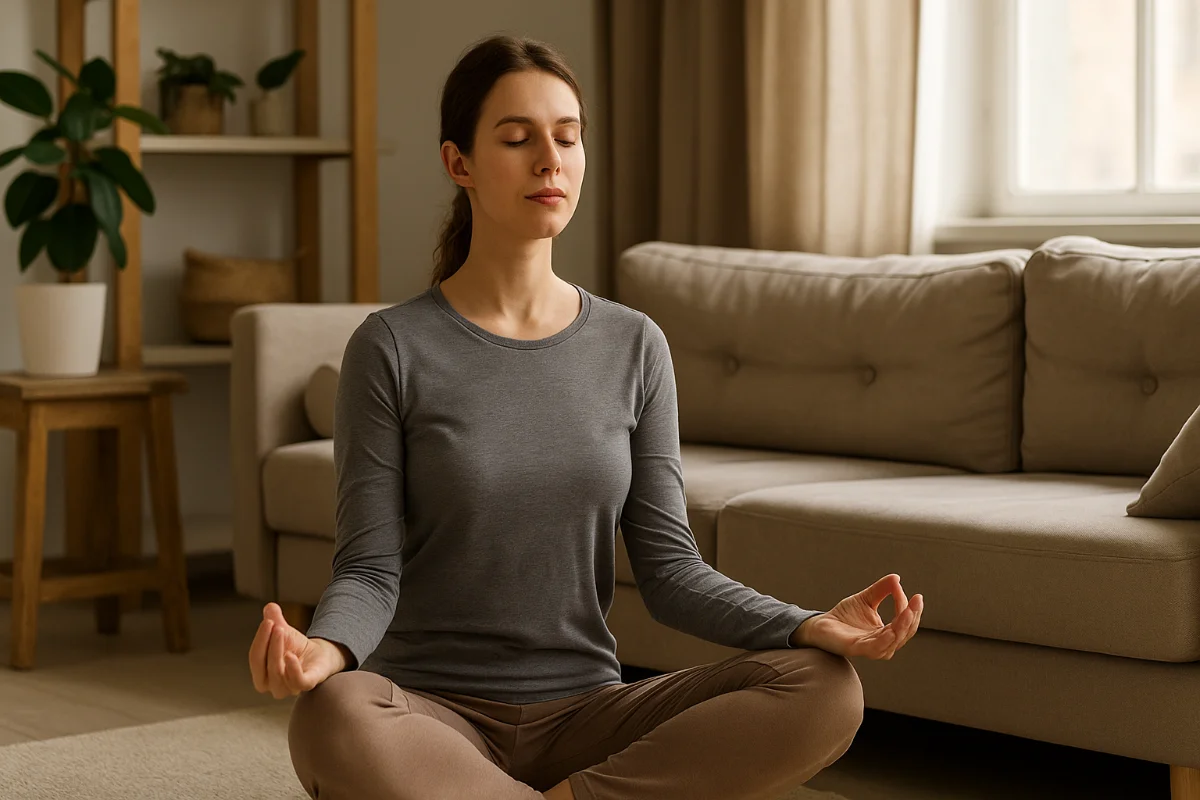

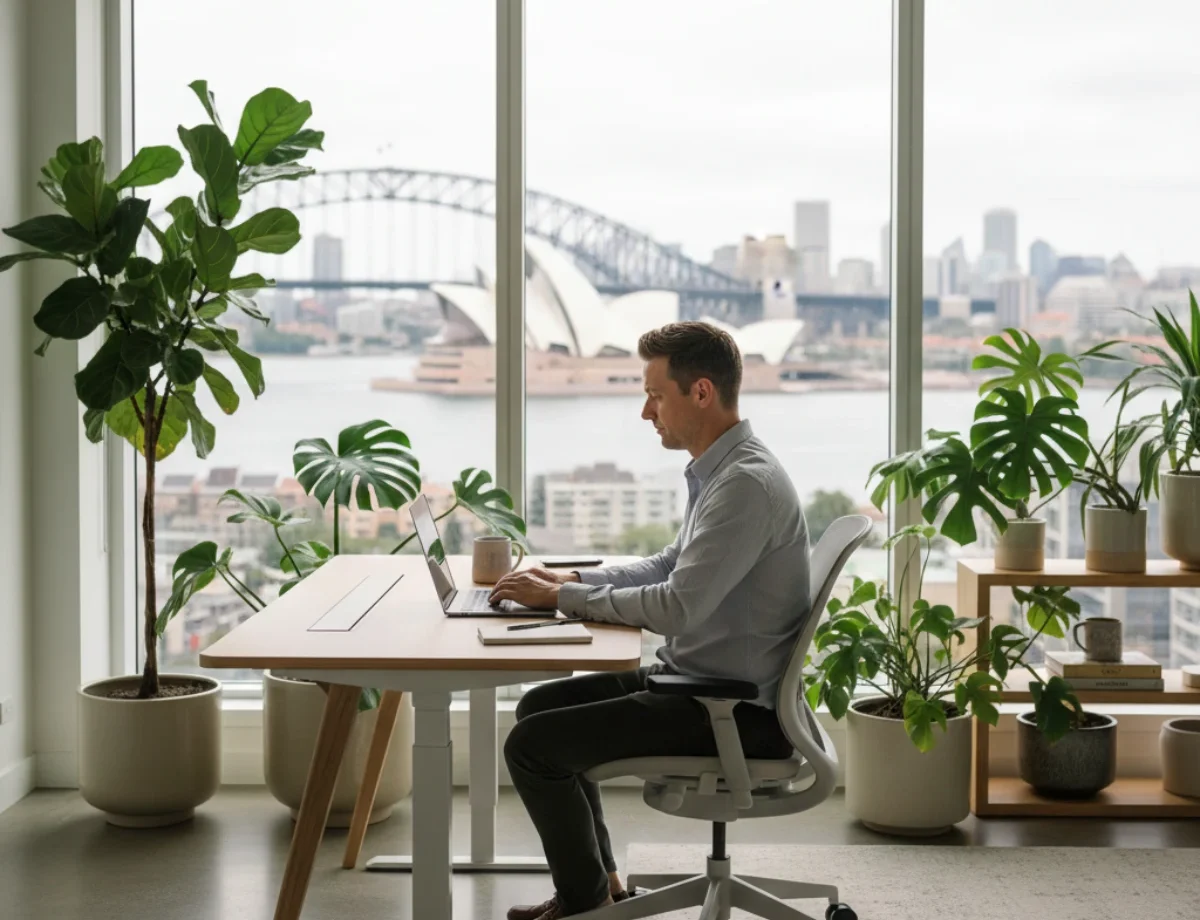
The way Australians work has changed permanently. What began as a necessity during the pandemic has evolved into a new normal: the remote work lifestyle in Australia. In 2026, millions of Australians now work from home, hybrid offices, regional towns, or even while travelling around the country.
Remote work is no longer just about where you work — it’s about how you live. It reshapes routines, relationships, productivity, housing choices, and mental wellbeing.
This guide explains how Australians can build a sustainable, productive, and healthy remote work lifestyle in 2026 — whether you’re an employee, freelancer, or business owner.
Quick Overview (Snapshot Summary)
- Remote work is now mainstream across Australia
- Flexible work rights are strengthening
- Home office setup affects productivity and health
- Boundaries are critical for mental wellbeing
- Regional living is becoming a real option for many workers
Want to design a remote lifestyle that actually works? Keep reading.
1) What Is the Remote Work Lifestyle in Australia?
Remote work lifestyle means:
- Working outside a traditional office
- Using digital tools instead of commuting
- Blending work, home, and life more fluidly
- Having greater control over time and location
According to the Australian Bureau of Statistics (ABS), working from home remains significantly higher than pre-pandemic levels, particularly in professional and knowledge-based industries.
Source: https://www.abs.gov.au
2) Flexible Work Rights in Australia (2026 Reality)
Under Australian law, many employees can formally request flexible work arrangements.
You may be eligible if you are:
- A parent or carer
- Over 55 years old
- Living with disability
- Experiencing family or domestic violence
- Pregnant
- A long-term employee
The Fair Work Ombudsman provides clear guidance on flexible work rights.
Source: https://www.fairwork.gov.au
Pro Tip: A formal written request increases your chances of approval.
3) Building a Productive Home Office
Your environment shapes your performance.
Essentials for a strong setup:
- Ergonomic chair
- Height-adjustable desk
- Proper lighting
- Reliable internet
- Quiet workspace
Safe Work Australia recommends safe workstation practices for home offices, including posture, screen height, and break routines.
Source: https://www.safeworkaustralia.gov.au
4) Work-Life Boundaries — The Biggest Remote Work Challenge
Many Australians struggle with “always being online.”
Smart boundaries include:
- Fixed start and finish times
- No emails after hours
- A dedicated workspace
- Daily shutdown ritual (pack away laptop)
Research from Beyond Blue shows that clear boundaries reduce burnout and anxiety in remote workers.
Source: https://www.beyondblue.org.au
5) Regional Living + Remote Work
More Australians are moving to:
- Coastal towns
- Regional cities
- Rural areas
Benefits include:
- Lower cost of living
- Bigger homes
- Better lifestyle
Challenges include:
- Internet reliability
- Access to services
- Isolation from colleagues
Business.gov.au highlights digital infrastructure as key to successful regional remote work.
Source: https://www.business.gov.au
6) Tools That Power Remote Work in Australia
Common tools in 2026:
- Microsoft Teams / Zoom — meetings
- Slack — team communication
- Notion / Asana — task management
- Google Drive — cloud collaboration
- Xero — finance for freelancers
Pro Tip: Use fewer tools well, rather than many tools poorly.
7) Quick Guide — Designing Your Remote Work Lifestyle
Common challenges:
- Distraction at home
- Loneliness
- Poor routine
- Blurred boundaries
How to solve it:
- Set a daily schedule
- Create a proper workspace
- Schedule social time
- Exercise daily
- Plan weekly face-to-face interaction
Why it works:
Structure + flexibility = sustainable remote lifestyle.
8) Interactive Quiz — Is Remote Work Right for You?
Q1: How self-motivated are you?
A. Very
B. Somewhat
C. Not much
Q2: Do you need social interaction at work?
A. Rarely
B. Sometimes
C. Constantly
Q3: Do you have a quiet workspace at home?
A. Yes
B. Kind of
C. No
Results:
- Mostly A → Remote work will likely suit you
- Mostly B → Hybrid is ideal
- Mostly C → Office work may suit you better
9) FAQs — Remote Work Lifestyle Australia
Q1: Can my employer refuse remote work?
Yes — but they must provide reasonable business grounds.
Q2: Do I need super fast internet?
Ideally yes, especially for video calls and cloud work.
Q3: Is remote work healthier?
It can be — if you move, socialise, and set boundaries.
Q4: Will remote work stay after 2026?
Yes. Hybrid and remote models are now permanent features of the Australian workforce.
Conclusion
The remote work lifestyle in Australia is no longer a trend — it is a fundamental shift in how we live and work. In 2026, flexibility offers Australians greater freedom, better work-life balance, and new lifestyle opportunities, particularly in regional areas. However, success depends on structure: a proper workspace, clear boundaries, reliable technology, and regular social connection. By designing intentional routines and leveraging digital tools, Australians can enjoy the benefits of remote work while avoiding burnout and isolation. With the right approach, remote work can create a healthier, more balanced, and more fulfilling way of living and working across Australia.
Disclaimer
This article is for general information only. Employment rights, remote work arrangements, and workplace safety obligations vary by employer, industry, and state. Always consult Fair Work or a qualified HR professional for specific advice.