
Safety in construction is more than regulations — it’s about protecting lives, property, and investments. With evolving technology, stricter policies, and innovative building materials, building safety standards Australia 2026 are becoming more comprehensive than ever.
Whether you’re a homeowner, builder, architect, or property investor, understanding these standards ensures your projects are compliant, sustainable, and future-proof.
Quick Overview (Snapshot Summary)
- Updated National Construction Code (NCC) 2026 guidelines
- Enhanced fire safety regulations
- Stricter electrical and structural standards
- Focus on sustainability and energy efficiency
- Compliance essential for builders, renovators, and developers
Want to ensure your building projects are safe and compliant? Keep reading!
1. The National Construction Code (NCC) 2026
The NCC sets the foundation for building safety in Australia. Key updates for 2026 include:
- Stronger structural performance requirements
- Updated fire safety measures for residential and commercial buildings
- Mandatory energy efficiency ratings for new constructions
Pro Tip: All builders and developers must comply with the NCC to avoid penalties and legal issues.
2. Fire Safety Regulations
Fire safety remains a top priority. Changes in 2026 focus on:
- Improved sprinkler systems in multi-storey buildings
- Smoke alarm requirements in residential dwellings
- Fire exits and emergency signage standards for commercial properties
Humour note: “It’s better to have your exit strategy in place for a fire than for your morning coffee line!”
3. Electrical and Structural Safety
With more smart homes and tech integration, electrical safety is critical:
- Mandatory RCD (Residual Current Device) installations
- Updated wiring and circuit regulations
- Structural inspections for new and renovated buildings
- Standards for earthquake and wind-resistant construction in vulnerable areas
Pro Tip: Engage licensed electricians and certified structural engineers for compliance.
4. Sustainability and Energy Efficiency
Australia’s 2026 safety standards also emphasise eco-conscious construction:
- Minimum energy efficiency requirements (stars rating for homes)
- Fire-resistant and non-toxic materials for safer living
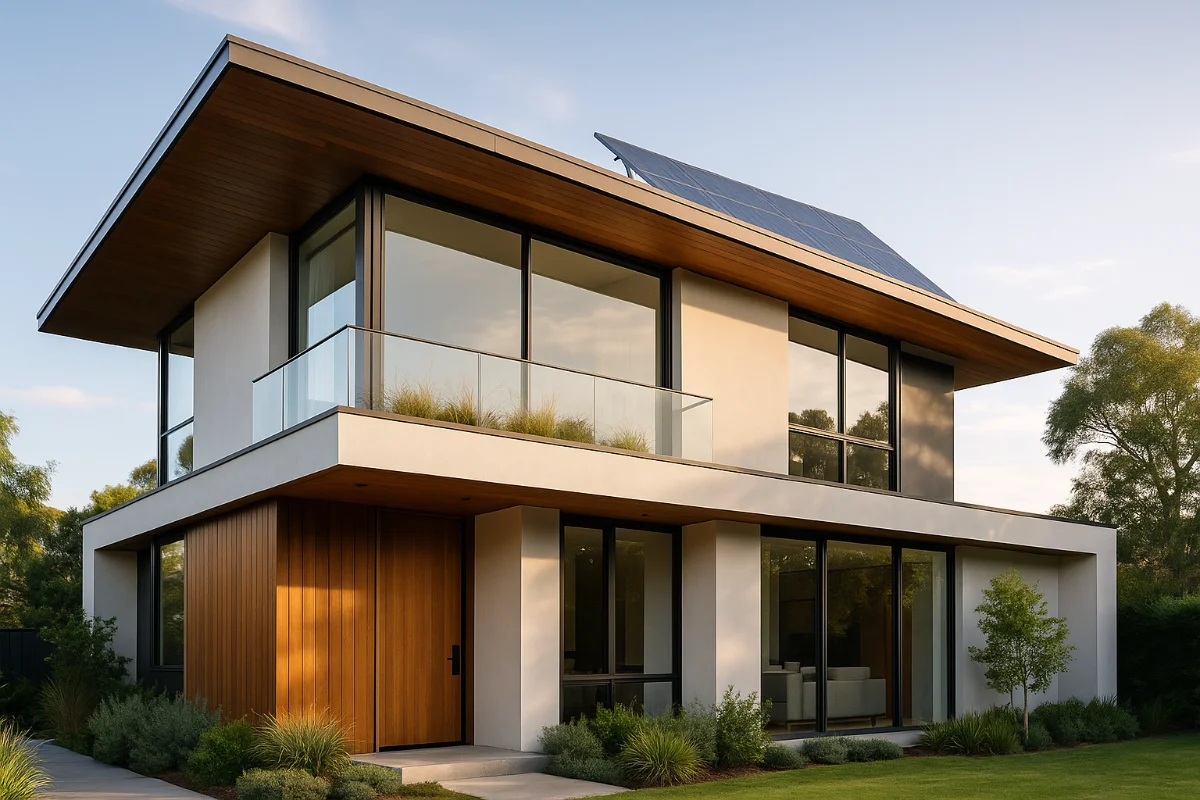
- Guidelines for solar integration and smart energy systems
Did You Know? Sustainable construction can reduce insurance premiums and improve building resale value.
5. Quick Guide: How to Ensure Compliance
Common Challenges:
- Confusion with frequent regulation updates
- Choosing safe yet cost-effective materials
- Understanding complex NCC compliance
How to Solve It:
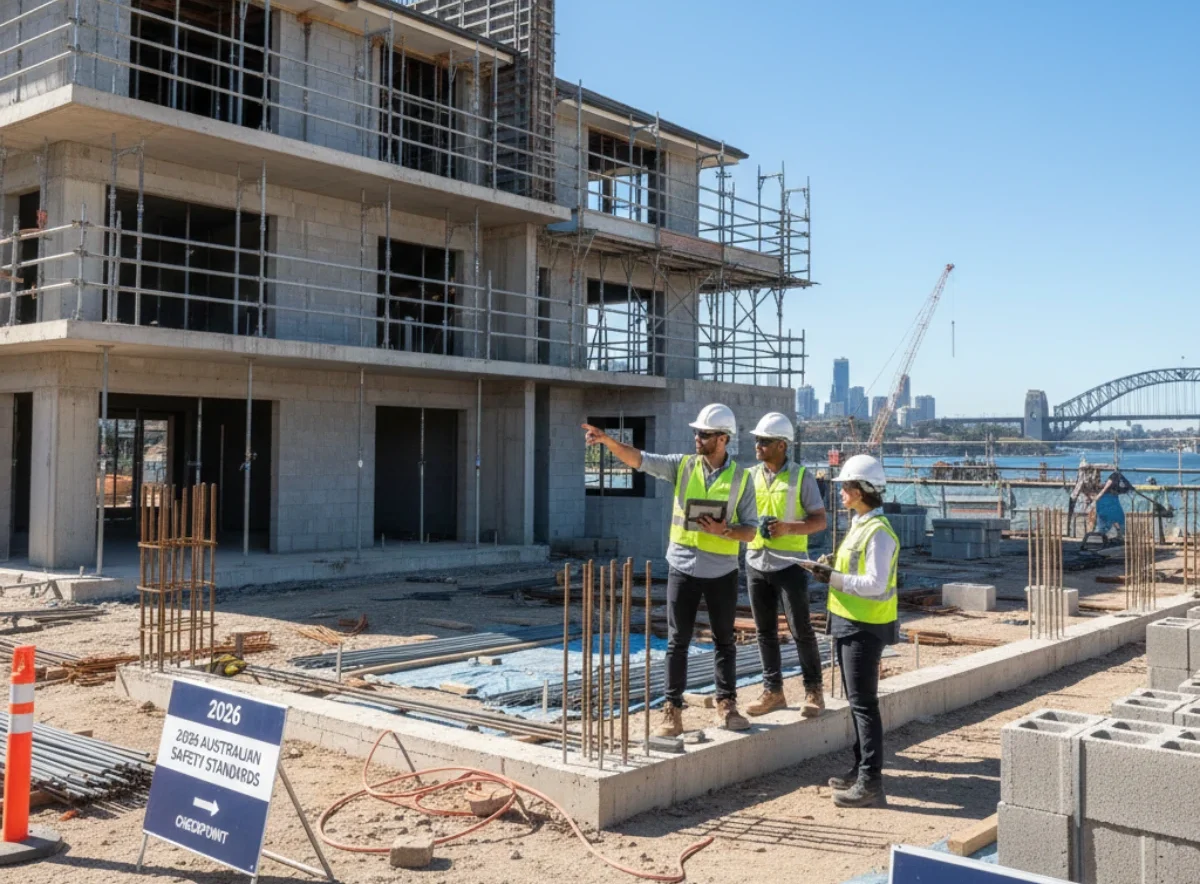
- Hire licensed professionals: Architects, engineers, and certifiers
- Stay updated: Subscribe to state/territory building authority newsletters
- Use compliant materials: Check supplier certifications
- Schedule inspections: Ensure compliance at every stage
Why It Works: Reduces risk of accidents, legal penalties, and costly renovations.
6. Interactive Quiz: Test Your Building Safety Knowledge
1. What is the minimum safety requirement for residential smoke alarms?
A. Every floor
B. Bedrooms only
C. Kitchen and lounge
D. Garage only
2. Which material improves sustainability and fire safety?
A. Untreated timber
B. Non-toxic, fire-rated materials
C. Plastic panels
D. Fiberglass only
3. Who can certify NCC compliance?
A. Licensed builder or certifier
B. Neighbour
C. DIY enthusiast
D. Architect only
Results Guide:
- Mostly A/B → You’re aware of basic standards
- Mostly C/D → Time to review NCC 2026 updates and safety guidelines
7. FAQs — Building Safety Standards Australia 2026
Q1: Are 2026 standards mandatory for all new constructions?
Yes. Compliance with the NCC and state regulations is required for approvals.
Q2: Do renovations need to meet 2026 safety standards?
Major renovations must comply with updated codes, especially structural and fire safety components.
Q3: How often are building standards updated?
Every few years — staying informed ensures compliance and safety.
Q4: Can non-compliance affect insurance?
Absolutely. Insurers may refuse claims if buildings don’t meet current safety standards.
Conclusion
Building safety standards in Australia for 2026 are designed to protect residents, workers, and investors while promoting sustainability and innovation. From fire safety and structural compliance to energy efficiency and smart technology, keeping up with regulations is critical for anyone involved in construction, renovation, or property investment. Staying informed, hiring certified professionals, and using compliant materials ensures your projects are safe, legally compliant, and future-ready. By prioritising building safety standards, Australians can create secure, sustainable, and modern spaces that meet the evolving needs of residents and businesses alike.
Disclaimer
This article is for informational purposes only and does not replace professional legal, engineering, or construction advice. Always consult certified experts before starting building projects.