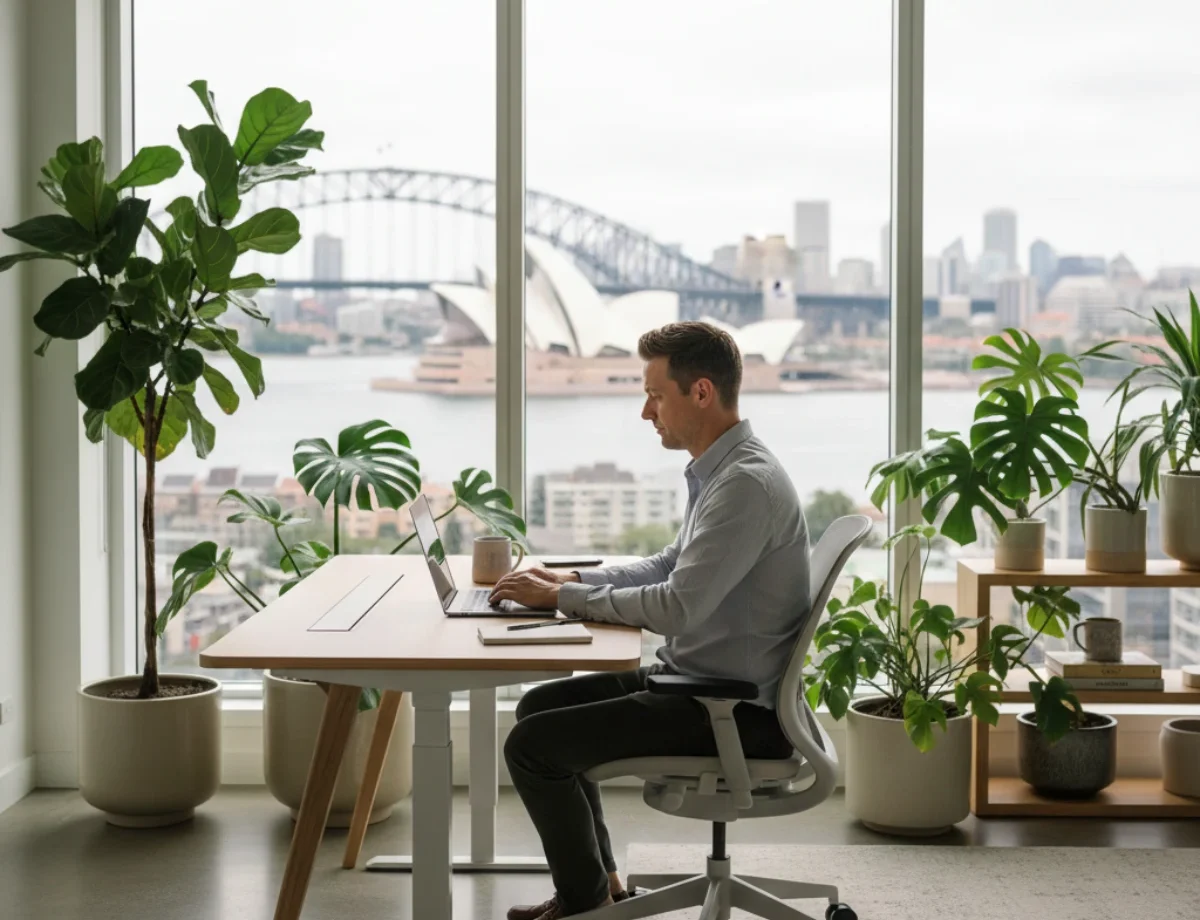


In today’s fast-paced world, Australians often juggle careers, family, social life, and personal growth. Striking the right work-life balance isn’t just about clocking out on time—it’s about creating a lifestyle that promotes health, happiness, and productivity. This practical guide offers actionable tips, interactive tools, and insights to help Australians live well while managing work and life demands.
Quick Overview (Snapshot Summary)
Here’s what achieving work-life balance in Australia involves:
- Time management: Prioritising tasks without burning out
- Healthy habits: Nutrition, sleep, and exercise
- Boundaries: Saying no and protecting personal time
- Mindfulness & mental health: Stress management techniques
- Leisure & hobbies: Recharging outside of work
Want to dive deeper? Keep reading for actionable steps and expert tips.
1. Understand Your Current Balance
1.1 Self-Assessment
Ask yourself:
- Am I stressed most of the time?
- Do I regularly skip meals or sleep to finish work?
- Do I feel guilty when taking personal time?
Pro Tip: Track your daily activities for a week. Seeing how you spend your time helps identify problem areas.
1.2 Identify Priorities
Determine what truly matters: family, health, career growth, hobbies. Clear priorities make it easier to allocate time and energy.
2. Time Management Techniques
2.1 The 80/20 Rule
Focus on tasks that give the most impact. Let go of low-priority activities.
2.2 Time Blocking
Allocate blocks for work, exercise, meals, and leisure. Helps avoid overlapping commitments and reduces stress.
2.3 Digital Detox
Limit notifications and work emails outside office hours. Even 30 minutes offline can boost productivity and mental clarity.
3. Set Boundaries Like a Pro
3.1 Learn to Say No
Respectfully decline tasks that overload your schedule. Protecting personal time is essential.
3.2 Create Work Zones at Home
Separate work areas from personal spaces to avoid “always on” syndrome.
3.3 Communicate Clearly
Discuss work expectations with colleagues and managers to prevent overwork.
4. Healthy Habits for Work-Life Balance
4.1 Nutrition & Hydration
- Eat balanced meals
- Stay hydrated
- Avoid skipping meals for deadlines
4.2 Exercise
- Even a 20-minute walk improves mood and productivity
- Include stretching or yoga to relieve tension
4.3 Sleep
- Aim for 7–9 hours per night
- Maintain consistent sleep routines
Did You Know? Australians who exercise regularly report lower stress levels and higher job satisfaction. (aus.gov.au)
5. Mindfulness & Mental Health
5.1 Practice Mindfulness
Techniques: meditation, journaling, deep breathing. Even 5–10 minutes daily can improve focus.
5.2 Seek Support
- Counselling or coaching
- Employee Assistance Programs (EAPs)
- Support networks: friends, family, colleagues
5.3 Stress Management Tools
Apps, guided meditations, and online resources for Australians can help track and reduce stress.
6. Leisure, Hobbies & Social Life
- Engage in hobbies that recharge you
- Spend quality time with family and friends
- Explore Australian outdoors: hiking, beaches, or parks
- Limit screen time during personal hours
Pro Tip: Even small daily breaks, like a 10-minute walk, improve focus and creativity.
7. Quick Guide: Daily Work-Life Balance Checklist
- Morning: Plan day, breakfast, light exercise
- Midday: Take breaks, hydrate, step away from desk
- Evening: Disconnect from work, enjoy personal time
- Night: Reflect on accomplishments, wind down, sleep
8. Interactive Quiz: How Balanced Is Your Life?
1. How often do you skip meals or work late?
A. Often
B. Sometimes
C. Rarely
2. How frequently do you exercise or do a hobby?
A. Rarely
B. Sometimes
C. Regularly
3. Do you feel relaxed during personal time?
A. Never
B. Sometimes
C. Always
Results:
- Mostly A → High risk of burnout; implement immediate changes
- Mostly B → Moderate balance; fine-tune habits
- Mostly C → Well-balanced; maintain routines
9. FAQs
Q1: Can work-life balance be achieved in busy jobs?
Yes. Time management, clear boundaries, and prioritising health can help even in demanding roles.
Q2: What’s the best way to disconnect after work?
Turn off notifications, set a fixed stop time, and spend time on hobbies or family.
Q3: How do Australians manage work-life balance in hybrid jobs?
They set home office zones, use digital calendars, and follow structured routines.
Q4: Can short breaks improve productivity?
Absolutely — short breaks boost focus, creativity, and reduce stress.
Q5: What resources are available for stress management in Australia?
- Beyond Blue (beyondblue.org.au)
- Headspace Australia (headspace.org.au)
- Lifeline (lifeline.org.au)
Conclusion
Achieving work-life balance in Australia isn’t about working less—it’s about working smarter, protecting personal time, and prioritising health and happiness. By understanding your current balance, setting boundaries, practicing mindfulness, and embracing leisure activities, you can build a lifestyle that supports productivity and wellbeing. Whether you’re at home, in the office, or working remotely, small, consistent changes can create meaningful impact. Start today with one habit, one zone, or one boundary — and watch your quality of life improve while still excelling in your career.
Disclaimer
This article provides general lifestyle and wellbeing guidance. It is not a substitute for professional medical, mental health, or occupational advice. Consult licensed professionals for personal advice.