
If your skincare routine is already crowded with cleansers, serums, moisturisers and the occasional product you bought because someone on social media had suspiciously perfect skin, you might be wondering what professional treatments can add to the mix.
Skin Needling is a professional skin treatment commonly considered by people who want to improve the appearance of concerns such as uneven texture, fine lines, enlarged-looking pores and certain types of scarring. Rather than simply treating the surface of the skin, skin needling creates controlled micro-injuries that stimulate the skin’s natural repair response.
But what can it realistically do, and is it suitable for everyone?
This guide looks specifically at what skin needling may achieve, how it works and what Australians considering the treatment should know before booking.
At a Glance
If you only have a minute, here are the essentials:
- Skin needling is also commonly known as microneedling.
- It uses very fine needles to create controlled micro-channels in the skin.
- The process stimulates the skin’s natural wound-healing response and collagen production.
- It may help improve the appearance of uneven texture, fine lines and some acne scars.
- Results generally develop gradually rather than overnight.
- Temporary redness, sensitivity and mild swelling can occur following treatment.
- Professional assessment is important because not every skin concern or skin condition is suitable for needling.
Want to understand whether Skin Needling could support your particular skin goals? Keep reading.
So, How Does Skin Needling Actually Work?
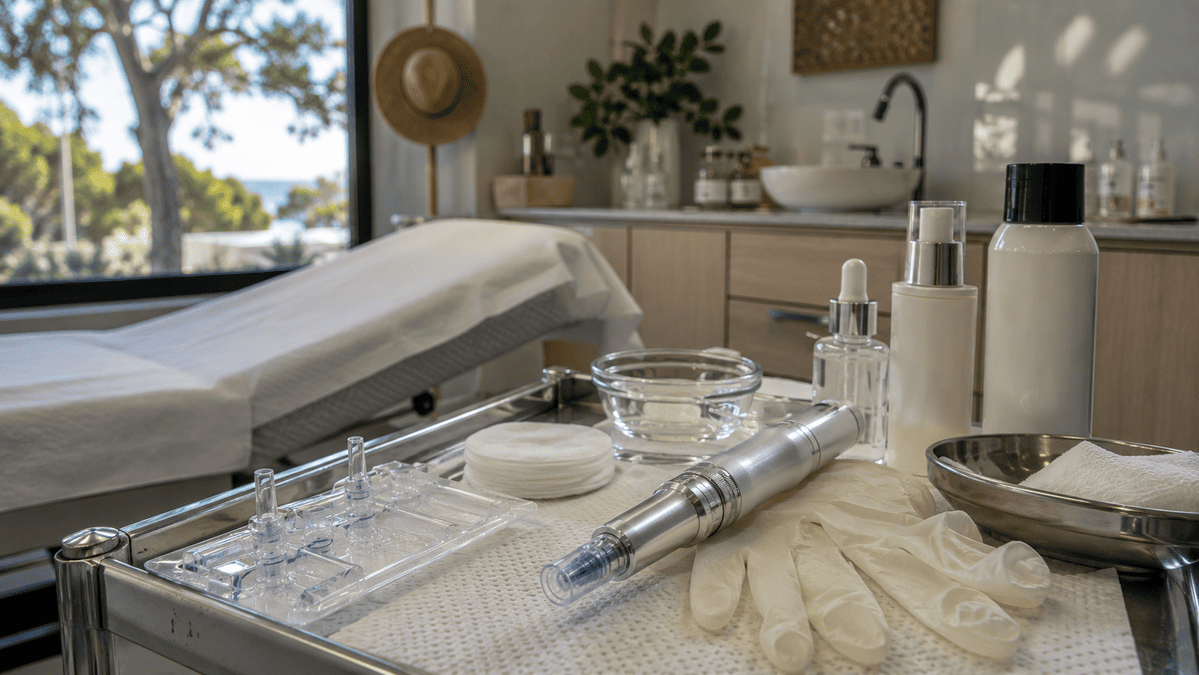
Skin needling involves passing a specialised device containing fine, sterile needles over targeted areas of the skin. These needles create tiny, controlled channels without the intention of causing significant damage to the surrounding tissue.
The skin responds by beginning its natural repair processes.
Part of this response involves collagen and elastin production. These proteins play important roles in the skin’s structure, strength and elasticity.
This is also why skin needling is not usually an instant-results treatment. Your skin needs time to respond and remodel.
Think less “new skin by Friday” and more “encouraging your skin to do some renovation work of its own.”
What Skin Concerns May Skin Needling Help With?
People consider skin needling for many different reasons. The treatment should be tailored to the individual rather than approached as a universal solution.
Some common goals include:
Uneven Skin Texture
If the skin feels rough or looks uneven, skin needling may support gradual improvements in texture by stimulating the skin’s renewal processes.
This can help create a smoother and more refined appearance over time.
Fine Lines
As collagen levels change with age, fine lines may become more noticeable.
Because skin needling stimulates collagen production, it is often incorporated into treatment plans designed to improve the appearance of early signs of ageing.
It will not freeze time — unfortunately, science remains stubborn about that — but it may support firmer and smoother-looking skin.
Acne Scarring
Certain types of acne scars can create depressions or irregular texture in the skin.
Skin needling may help improve the appearance of some scars by encouraging collagen remodelling within the treated area.
However, scar type matters. A professional consultation can help determine whether skin needling is appropriate or whether another treatment would be better suited.
Enlarged-Looking Pores
You cannot literally open and close pores like tiny doors, despite what decades of skincare advertising may have suggested.
However, improving the surrounding skin texture and collagen support may make pores appear less prominent.
Overall Skin Appearance
Some people choose Skin Needling without having one major concern. Instead, their goal may simply be fresher, smoother or more even-looking skin.
The important point is to establish a realistic objective before treatment rather than expecting one procedure to address every possible skin concern.
Skin Needling Is About Gradual Improvement
One of the most useful things to understand before having skin needling is that results are generally progressive.
Immediately afterwards, your skin may actually look red rather than dramatically improved. Mild swelling, tightness or sensitivity can also occur.
As the skin settles and its repair response develops, improvements may become more noticeable.
Depending on your skin goals, a practitioner may recommend a series of treatments rather than a single appointment.
Pro Tip: If you’re planning skin needling before an important event, don’t book your first-ever treatment the day before. Give your skin appropriate recovery time and follow the advice provided by your practitioner.
What Happens During a Skin Needling Appointment?
The exact process varies depending on the clinic, device and treatment plan, but an appointment will generally begin with an assessment of your skin.
This matters.
Good treatment planning is not simply about deciding how deep the needles should go. Your practitioner should consider your concerns, skin condition, treatment history and desired outcome.
The skin is then cleansed and prepared before the needling device is carefully passed over the treatment areas.
After treatment, appropriate products may be applied to support and protect the skin.
Your practitioner should also explain aftercare clearly, including what products or activities to temporarily avoid.
Quick Guide: When Your Skincare Routine Isn’t Quite Enough
Imagine you’ve been consistent with your skincare for months. Your skin feels healthier, but uneven texture and old blemish marks are still more noticeable than you’d like.
You don’t necessarily need another serum. You may need to understand whether a professional treatment could address the concern differently.
Common Challenges
- Are old acne marks still affecting your skin texture?
- Does your skin feel uneven despite consistent skincare?
- Are fine lines becoming more noticeable even though you moisturise regularly?
A Practical Approach
Start with a skin assessment.
Identify what is actually causing the concern before choosing a treatment.
Set one or two realistic goals.
“Smoother-looking texture” is much easier to plan for than “perfect skin.”
Discuss whether Skin Needling is appropriate.
A practitioner can assess whether your concern is suitable for needling and discuss alternatives where necessary.
Plan for aftercare.
Follow the recommended skincare and sun-protection instructions while your skin recovers.
Why This Approach Works
Starting with the concern rather than the treatment helps avoid unnecessary procedures and unrealistic expectations. It also allows skin needling to become part of a considered skincare plan rather than another random addition to the bathroom cabinet.
If persistent texture, scarring or fine lines are bothering you, a professional skin consultation can help clarify your options.
What About Australian Sun Exposure?
This deserves particular attention in Australia.
Skin can be more sensitive following needling, making appropriate sun protection especially important during recovery.
Follow your practitioner’s aftercare instructions and be sensible about UV exposure. This may include using suitable broad-spectrum sunscreen, wearing protective clothing and avoiding unnecessary direct sun exposure while the skin is recovering.
Skin needling and careless sun exposure are not particularly good teammates.
Quick Quiz: Could Skin Needling Be Worth Discussing?
Choose the answer that sounds most like you.
1. What’s your main skin goal?
A. Improving uneven texture or certain scars
B. Supporting smoother, fresher-looking skin
C. Treating an active skin problem that hasn’t been assessed
2. What are you expecting from treatment?
A. Gradual improvement
B. A realistic change over several treatments if needed
C. Completely flawless skin tomorrow morning
3. Are you willing to follow aftercare instructions?
A. Yes
B. Definitely
C. Does sunscreen count if it’s somewhere in my bathroom?
Your Result
Mostly A or B: Skin needling may be worth discussing during a professional consultation.
Mostly C: Start with a skin assessment. Your concerns may require another approach, and realistic expectations are an important part of any treatment plan.
The quiz is only a general guide, not an assessment of treatment suitability.
Who Might Not Be Suitable for Skin Needling?
Skin needling is not appropriate for everyone or every skin condition.
A practitioner may recommend delaying or avoiding treatment where there are issues such as active skin infections, significant irritation, open wounds or certain active inflammatory conditions.
Medical conditions, medications, pregnancy and previous skin reactions may also affect treatment decisions.
This is why professional consultation matters. The goal isn’t to make every person suitable for Skin Needling; it’s to determine whether Skin Needling is suitable for the person.
FAQs About Skin Needling
Does Skin Needling hurt?
People experience treatment differently. Sensations may include prickling, warmth or discomfort, depending on the treatment area and intensity.
Your practitioner should explain what to expect before starting.
How long does the redness last?
Redness and sensitivity are common immediately following treatment and usually settle as the skin recovers. Recovery time varies according to treatment intensity and individual skin response.
Follow the aftercare instructions provided rather than relying on someone else’s experience online.
How many Skin Needling treatments will I need?
There is no universal number.
Your treatment plan may depend on:
- Your skin concern
- Its severity
- Your skin’s response
- Your desired outcome
- The type and intensity of treatment
Some people may pursue a series of appointments, while others may have different recommendations after assessment.
Can Skin Needling remove acne scars completely?
It is more accurate to talk about improving the appearance of suitable acne scars rather than promising complete removal.
Different scars respond differently, and some may require alternative or combined approaches.
Can I wear makeup after Skin Needling?
Your practitioner may recommend avoiding makeup for a period after treatment while the skin barrier recovers. Follow the specific instructions you’re given, as timing can vary.
Your foundation will survive the separation.
Is Skin Needling the same as using a home dermaroller?
No. Professional skin needling uses specialised equipment, controlled treatment parameters, hygiene protocols and practitioner assessment.
Trying to recreate a clinical procedure at home introduces unnecessary risks, particularly if equipment, technique or hygiene is inappropriate.
Conclusion
Skin Needling can be a useful option for people looking to improve concerns such as uneven texture, fine lines, enlarged-looking pores and certain types of acne scarring. Its value lies in stimulating the skin’s own repair and collagen-remodelling processes rather than promising an overnight transformation.
The right approach begins with understanding your skin, setting realistic goals and determining whether needling is appropriate for your circumstances. For Australians considering treatment, professional assessment, sensible aftercare and diligent sun protection are particularly important.
Good skin treatment isn’t about chasing perfection. It’s about choosing treatments that make sense for your skin and your goals.