
An apartment’s layout, location and presentation are only part of the buying decision. You also need to understand how the building is managed, what maintenance is approaching and which shared costs you may become responsible for.
When deciding what to check before buying an apartment in a strata building, focus on four areas: strata records, levies and defects, building rules, and independent professional advice. Together, these checks help you look beyond the individual apartment and assess the wider property.
Strata laws, terminology and disclosure requirements differ across Australian states and territories. The relevant owners corporation or body corporate documents should be reviewed alongside the sale contract and the property’s physical condition.
Strata records
Strata records can reveal issues that are difficult to spot during an open inspection. They help show how the building has been maintained, which decisions owners have made and whether significant expenses or disputes are unresolved.
Ask about obtaining a strata records inspection or an independent strata search report. Confirm what records will be examined and how recently the search was completed.
Useful documents include:
- Minutes from annual general meetings and committee meetings.
- Financial statements, current budgets and levy information.
- Maintenance plans and reports on proposed works.
- Building insurance details and relevant claims.
- Defect reports, repair correspondence and notices or orders.
- Information about legal proceedings and ongoing disputes.
Read beyond the latest meeting minutes. If a balcony leak appears repeatedly, ask whether the cause was investigated, what repairs were approved and whether the work has been completed.
The documents provided during a sale vary by location. In Victoria, buyers should examine the owners corporation certificate and accompanying documents in the Section 32 statement. Queensland buyers should check the applicable seller disclosure documents and body corporate certificate.
Check the dates on these documents. A certificate prepared months earlier may not reflect a recently approved expense or a new dispute. Ask your conveyancer whether updated information is needed before settlement.
Missing documents or unclear answers deserve follow-up. Request the underlying report or written explanation rather than relying on a verbal assurance that an issue has been resolved.
Levies and defects
Strata levies contribute to the shared costs of running and maintaining the property. Depending on the scheme, these can include insurance, cleaning, gardening, management and maintenance of common facilities.
Understand both everyday expenses and longer-term funding. Funds may have different names across jurisdictions. In NSW, for example, administrative funds cover routine costs, while capital works funds provide for major expenditure.
Before buying, check:
- The current levies for the specific apartment.
- Any approved increases or special levies.
- The scheme’s available funds, debts and other liabilities.
- Major works identified in its maintenance planning.
- Whether money has been raised for those works.
- Any unpaid contributions associated with the lot.
Low levies need context. They may reflect a simple building with limited facilities, but they can also warrant questions about whether enough money is being collected for future work.
Likewise, a substantial fund balance should be compared with expected expenditure. Ask whether the maintenance plan, current estimates and available funding are consistent with one another.
Investigate defects and proposed repairs
Look for records concerning water ingress, waterproofing, structural concerns, fire safety and cladding. Ask whether specialist reports exist and whether any rectification work, insurance claim or legal action remains outstanding.
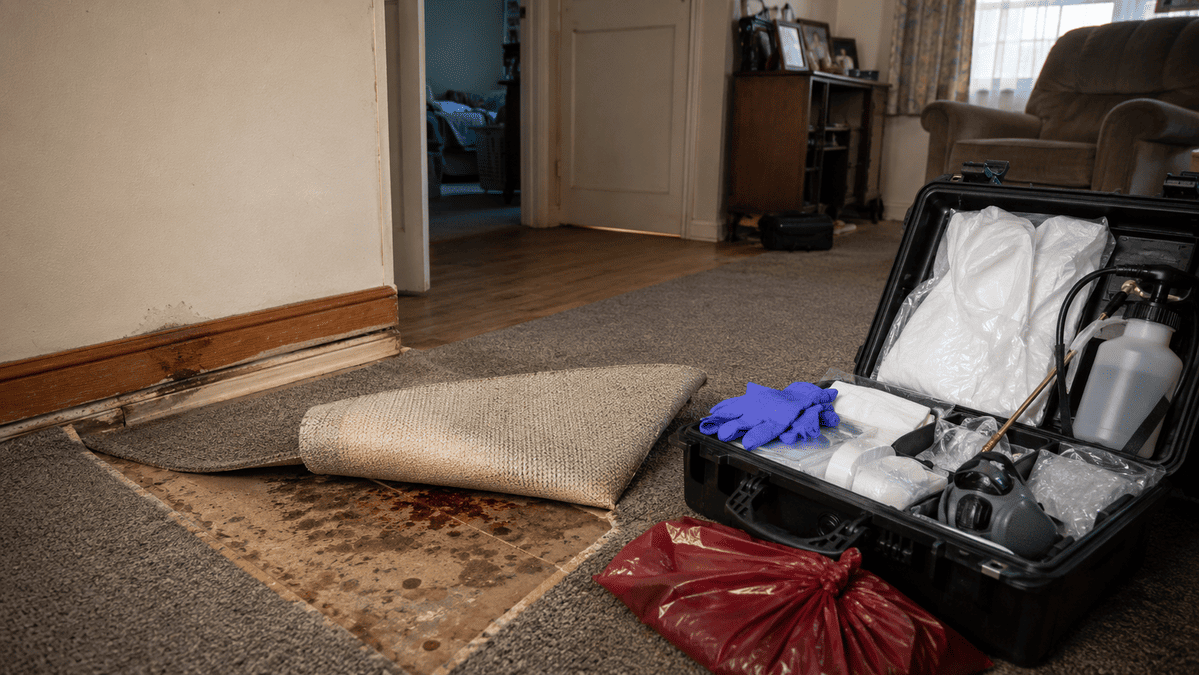
During the inspection, note water staining, damaged finishes or visible cracking and raise them with your inspector. Their appearance alone does not establish the cause or seriousness of a problem.
For each significant issue, try to establish:
- What has been identified?
- What repair work has been recommended?
- Has the scope and cost been assessed?
- How will the work be funded?
- What remains unresolved?
A suggestion that the builder or insurer will pay should be supported by documentation. Ask your advisers to explain the status of any claim and the potential exposure if recovery is delayed or unsuccessful.
Rules and amenities
Read the building’s current rules or by-laws before deciding whether it suits your plans. These can affect everyday activities, including parking, keeping pets, using balconies and carrying out renovations.
Check the requirements relevant to you, such as:
- Pet notifications and conditions.
- Noise and flooring requirements.
- Renovation approvals and permitted working hours.
- Parking, storage and visitor access.
- Moving arrangements and use of shared facilities.
- Short-term accommodation, if relevant to your intended use.
The legal effect of a rule depends on the applicable legislation. For example, NSW places limits on by-laws, including restrictions on rules that conflict with legislation or are oppressive. Ask your conveyancer to clarify any rule that could affect your decision.
Confirm what is included
Check the legal status of the advertised car space, storage cage, courtyard or terrace. It may form part of the title, be held separately or involve rights over common property.
Compare the contract and registered plan with what you inspected. Confirm the location, dimensions and access arrangements rather than relying only on marketing photographs.
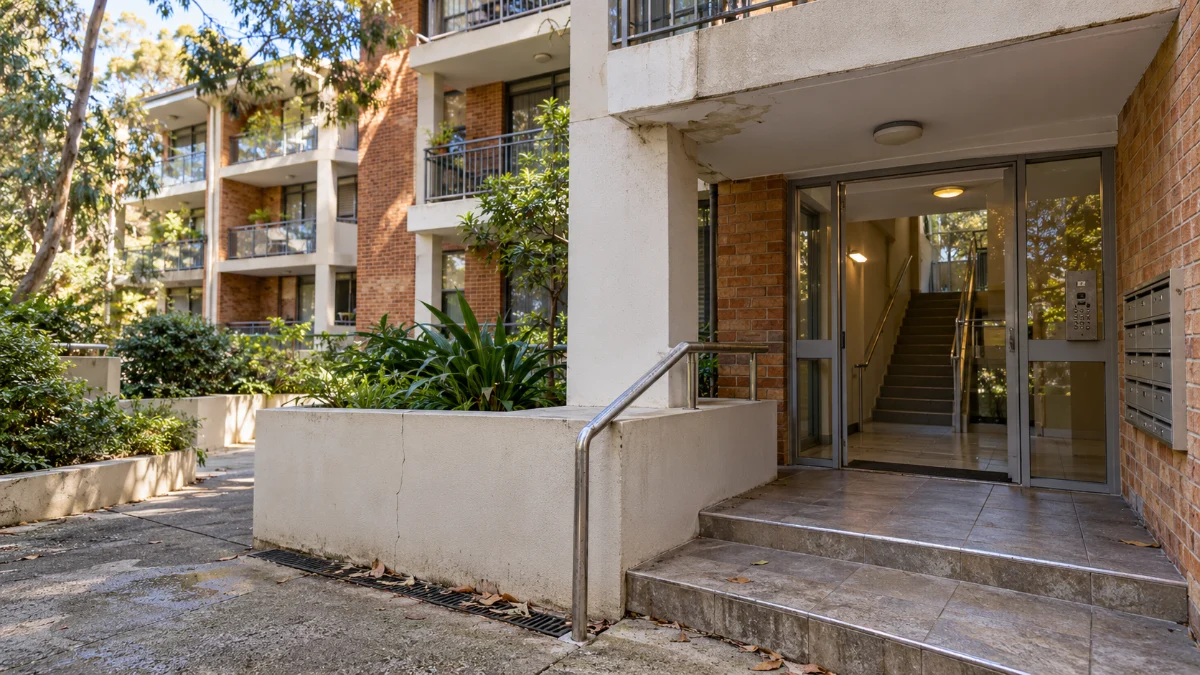
Shared amenities also deserve attention. Inspect the lifts, pool, gym, gardens and entrances where access is available. Ask about maintenance contracts, planned replacements and any facilities that are currently closed.
Consider whether these amenities offer value for how you expect to use the property. Their upkeep should be considered alongside the apartment’s purchase price and ongoing levies.
Professional checks
Arrange professional reviews early enough to act on the findings. Before signing or bidding at auction, ask your solicitor or conveyancer what contractual protections, conditions and deadlines apply.
Different professionals examine different parts of the purchase:
| Professional | What to ask them to review |
|---|---|
| Solicitor or conveyancer | Contract, title, disclosure documents, ownership rights and potential liabilities |
| Strata records inspector | Meeting records, finances, maintenance history and documented issues |
| Building inspector | Physical condition within the agreed inspection scope |
| Relevant specialist | Particular concerns requiring expertise, such as structural or waterproofing issues |
A strata records report and a building inspection serve different purposes. The first examines available documentation; the second assesses physical condition within its stated scope.
Ask the building inspector exactly what will be inspected. An apartment inspection may cover the interior and immediate exterior without assessing every shared area. Additional common-property investigations may require a separate scope, access arrangements or a specialist report.
Read the exclusions and inaccessible-area notes. A standard inspection is not a guarantee that concealed defects are absent, and repair cost estimates may require additional work.
Bring the findings together before making your decision. Ask your advisers to identify unresolved issues, explain the possible consequences and clarify what further information would help.
Conclusion
Before buying an apartment in a strata building, assess both the home and the shared property around it. Review current records, compare levies with planned expenditure, investigate documented defects and confirm that the rules suit your intended use.
Use independent advice to resolve questions about the contract, building condition and potential costs. Written evidence and clearly explained findings will give you a stronger basis for deciding whether the apartment fits your needs and budget.
FAQs
Does strata insurance cover my furniture and belongings?
Do not assume it does. Body corporate or strata insurance generally addresses specified building and common-property risks, while owners are responsible for arranging appropriate cover for their personal contents. Check the building’s policy and your own insurance needs.
Can I use a strata report that has already been prepared?
An existing report can be useful, but check when it was prepared and which records it examined. Ask whether more recent minutes, financial information or defect reports are available, and whether an independent updated search would be appropriate.
Who pays a special levy when an apartment is being sold?
Have your solicitor or conveyancer confirm this for the particular transaction. Responsibility can depend on the applicable law, contract terms and relevant levy dates. Do not assume an expense automatically belongs to the seller because it was discussed before you purchased.
Sources
- NSW Government: Buying a strata property — strata reports, ownership considerations and purchase checks.
- Consumer Affairs Victoria: Records — owners corporations — certificates, records and the importance of current information.
- NSW Government: Your strata levies, finances and insurance — operating costs, funds and maintenance planning.
- Building Commission NSW: Building defect complaints — building defects involving waterproofing, structures, fire safety and cladding.
- Consumer Affairs Victoria: Buying an apartment or unit checklist — finances, parking, common property and maintenance checks.
- NSW Government: Strata by-laws — building rules and their legal limits in NSW.
- NSW Government: Pre-purchase inspection reports — inspection scope, limitations and common-property considerations.
- Queensland Government: Buying a body corporate property — disclosure, levies, insurance and ownership responsibilities.