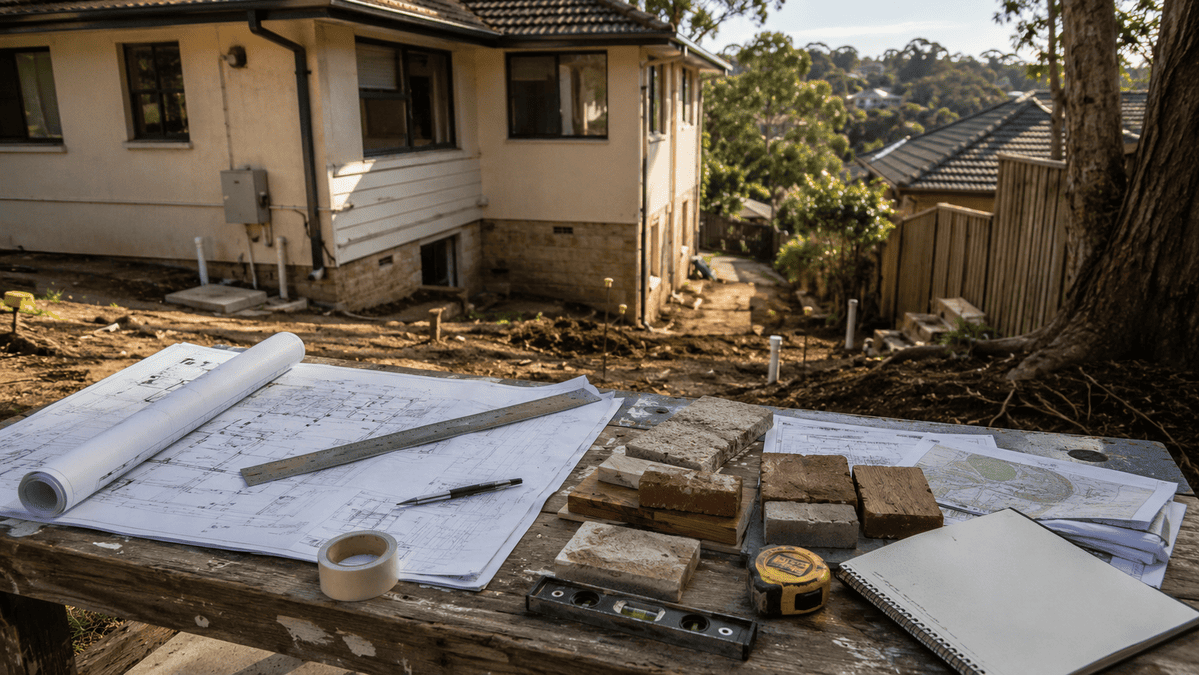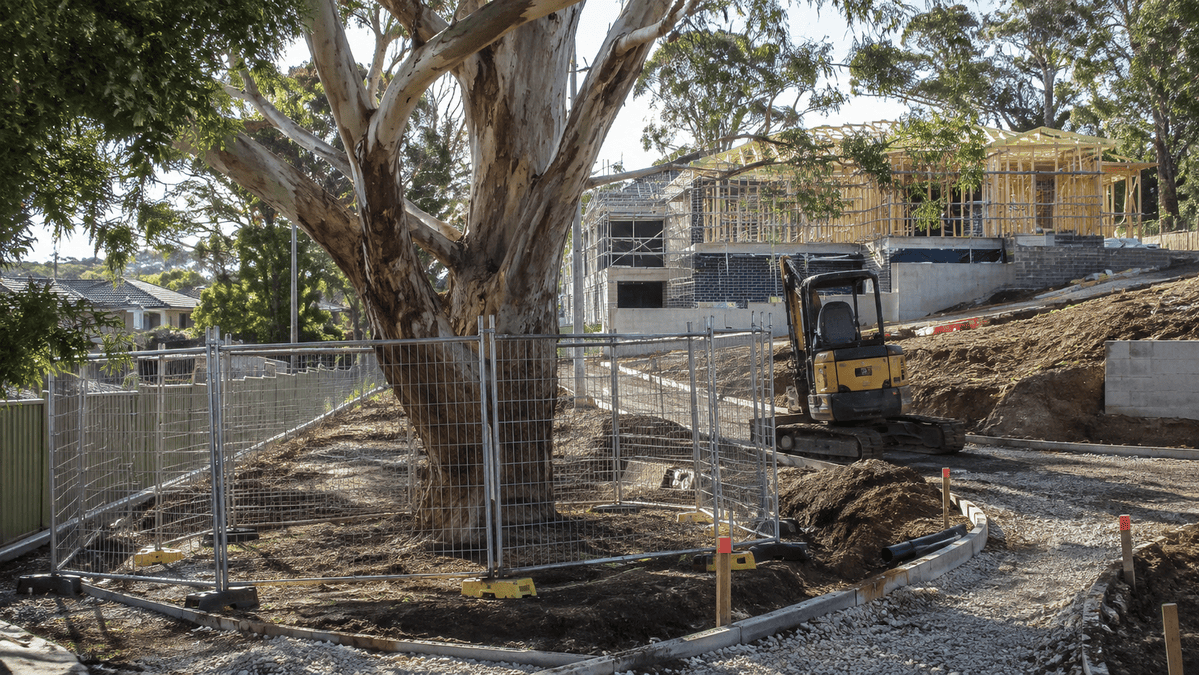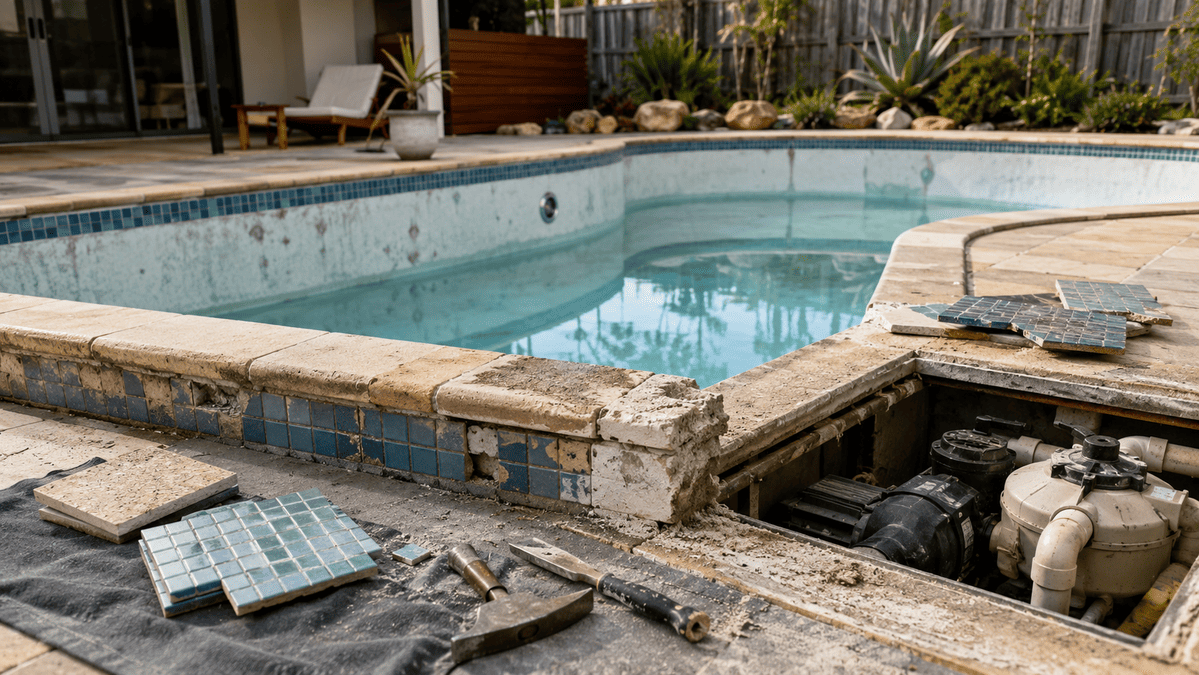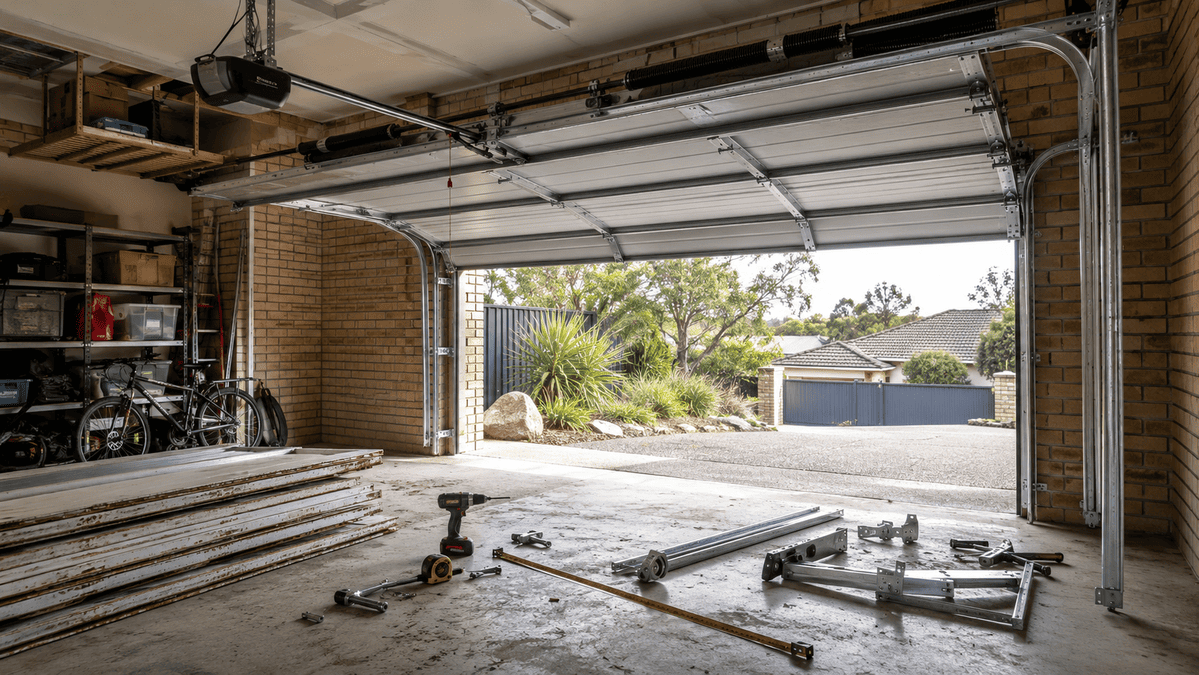

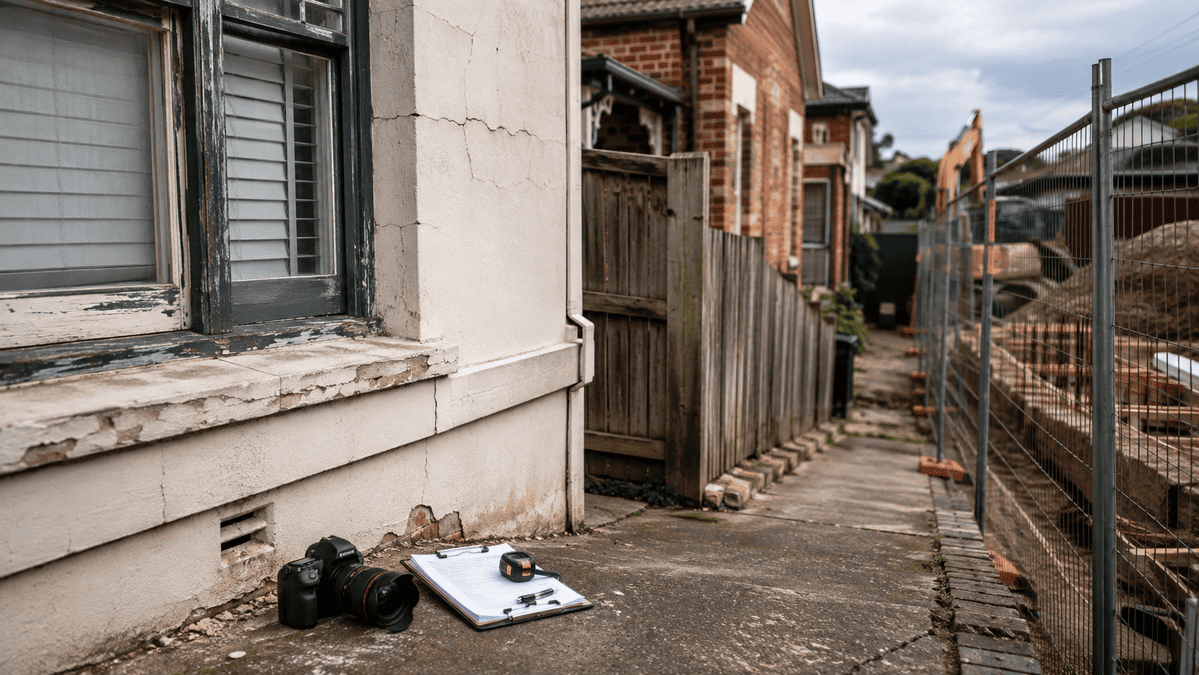
Construction, excavation, demolition and major renovation work can affect more than the property where the work is taking place. Nearby homes, commercial buildings, driveways, fences and retaining walls may also be exposed to vibration, movement, dust and accidental damage.
That is why Dilapidation Reports before construction can be an important part of property due diligence.
A dilapidation report creates a documented record of the existing condition of a property before nearby works begin. Rather than trying to determine months later whether a crack was already there, the report provides a clear baseline that can be referred to if concerns arise.
For Australian property owners, builders and neighbouring occupiers, understanding what these reports record and when they may be useful can help reduce uncertainty and potential disputes.
At a Glance
Dilapidation Reports are generally prepared before construction or other potentially disruptive works begin. They can:
- Record the existing condition of a property
- Document cracks, defects and signs of deterioration
- Include photographs of relevant areas
- Establish a condition baseline before nearby works commence
- Help clarify whether visible damage existed beforehand
- Support discussions if concerns arise during or after construction
A dilapidation report does not prevent construction damage from occurring, but it can provide valuable evidence about what the property looked like beforehand.
Want to understand what should be recorded and why timing matters? Keep reading.
What Is a Dilapidation Report?
A dilapidation report is a detailed record of the condition of a property at a particular point in time.
It may cover areas such as:
- Internal walls and ceilings
- External walls and façades
- Floors
- Windows and doors
- Driveways and paths
- Fences
- Retaining walls
- Garages and outbuildings
- Other structures close to the proposed works
The report may identify existing cracks, chips, movement, staining, deterioration or other visible defects.
Photographs are commonly used to support the written observations.
The goal is straightforward: create an accurate snapshot of the property before construction activity begins.
Why Are Dilapidation Reports Important Before Construction?
Imagine construction begins next door.
Three months later, you notice a crack above a window.
Was it caused by vibration from excavation? Was it already present but simply unnoticed? Has it changed since the project started?
Without a pre-construction condition record, those questions can become difficult to answer.
A dilapidation report can help establish what was already present before work started.
This can benefit multiple parties.
For property owners, it provides documentation of the property’s pre-construction condition.
For builders or developers, it may help distinguish existing defects from damage genuinely associated with the works.
For neighbours, it can provide reassurance that visible issues have been formally documented before heavy construction begins.
Pro Tip
Arrange the inspection before significant site activity starts.
A report completed after excavation, demolition or heavy machinery has already been operating cannot provide the same reliable pre-construction baseline.
What Should a Good Dilapidation Report Record?
The usefulness of the report depends heavily on how clearly the property’s condition has been documented.
A thorough report may note:
Existing cracking
Cracks may be documented by location, direction, appearance and approximate extent.
For example, rather than simply saying “wall cracked”, the report may identify where the crack is located and include supporting photographs.
Surface damage
This may include:
- Chips
- Scratches
- Broken finishes
- Damaged tiles
- Deteriorated render
- Paint defects
Movement or settlement indicators
Visible signs of movement may deserve careful documentation, particularly around walls, floors, paving or retaining structures.
Moisture-related damage
Staining, deterioration or other visible signs of moisture may also be recorded where relevant.
Exterior structures
Fences, garages, boundary walls, paving and retaining walls can sometimes be overlooked, despite being relatively close to construction activity.
The report should document the condition, not simply photograph the building from a distance.
Why Photographs Matter
Written descriptions are valuable, but photographs provide visual context.
If a small crack existed before construction, a dated photograph showing that crack can make later comparison considerably easier.
The most useful photographs typically:
- Clearly show the location
- Provide enough context to identify the area
- Capture defects at an appropriate distance
- Correspond with written observations
Twenty blurry photos of walls are not automatically better than ten clear, properly referenced ones.
In other words, documentation quality matters more than creating a photographic autobiography of every brick in the building.
Which Construction Activities May Increase the Need for a Report?
Not every minor building project creates the same level of risk.
Dilapidation Reports may be particularly relevant where work involves:
- Excavation
- Demolition
- Piling
- Heavy machinery
- Significant structural alterations
- Construction close to property boundaries
- Basement construction
- Major earthworks
- Work affecting neighbouring retaining walls or structures
Projects in tightly built urban areas may warrant particular attention because neighbouring buildings can be located very close to the work zone.
That said, whether a report is required can depend on the project, contractual arrangements, permit conditions and local requirements.
Quick Guide: Construction Is Starting Next Door
Suppose you own an established home and a significant construction project is about to begin on the neighbouring property.
You have been offered a dilapidation inspection, but you are unsure what to look for.
Common concerns
- Are existing cracks being documented clearly?
- What happens if part of the property is inaccessible?
- Will external structures such as fences and paving be included?
How to approach it
Make the property accessible
Where practical, allow the inspector reasonable access to relevant internal and external areas.
Point out existing concerns
If you already know about cracking, movement or damaged finishes, mention them so they can be properly documented.
Check what areas are included
Understand whether the inspection covers internal areas, external walls, fences, driveways and other relevant structures.
Keep a copy of the report
The value of a baseline report depends on being able to refer back to it later.
Why this works
Good preparation improves the completeness of the inspection and reduces ambiguity.
If concerns arise during construction, everyone has a clearer starting point for comparison rather than relying on memory.
What If Existing Defects Are Found?
Finding defects during a dilapidation inspection is normal.
The purpose of the report is not to prove that the property is perfect.
In fact, documenting existing issues is exactly what makes the report useful.
Common pre-existing findings might include:
- Hairline wall cracks
- Minor settlement
- Damaged paving
- Deteriorated sealants
- Cracked render
- Weathering
- Old water stains
These observations create a reference point.
If the condition changes later, the original report can be compared against the new situation.
Before-and-After Inspections
In some situations, another inspection may be carried out after construction works have finished.
The original report can then be compared against the property’s later condition.
This may help identify:
- New defects
- Existing cracks that have increased
- Changed surface damage
- Movement that appears to have occurred during the construction period
However, determining the cause of damage can sometimes require additional professional assessment.
A dilapidation report provides evidence of condition, but it does not automatically prove that construction caused every later change.
Mini Quiz: How Much Do You Know About Dilapidation Reports?
Question 1
When is the best time to arrange a dilapidation report?
A. After construction is complete
B. Before potentially disruptive construction begins
C. Only after damage appears
Answer: B.
The strongest baseline is created before the relevant work starts.
Question 2
If the report identifies existing cracking, is that a bad thing?
No.
Documenting existing cracks is part of the purpose of the inspection.
Question 3
Does a dilapidation report guarantee there will be no property damage?
No.
It records condition. It does not physically protect the property from construction activity.
If you got all three correct, you already understand the most important principle: document first, compare later.
Questions Property Owners Can Ask
Before the inspection, consider asking:
- Which parts of my property will be inspected?
- Will internal and external areas be included?
- Are fences, retaining walls and driveways covered?
- How are existing cracks documented?
- Will photographs accompany written findings?
- What happens if an area cannot be accessed?
- Will I receive a copy of the final report?
Clear expectations can help make the report more useful if it needs to be referred to later.
FAQs About Dilapidation Reports
Are dilapidation reports only for neighbouring properties?
No.
They can also be used to document the condition of structures associated with the construction site itself or other nearby assets that may be affected by the works.
Who pays for a dilapidation report?
This varies.
Depending on the project, a builder, developer, contractor or property owner may arrange and fund the report.
The contractual and project requirements should be checked rather than assuming one party is always responsible.
Should I sign a dilapidation report if I disagree with something?
If you believe an important defect has been omitted or incorrectly described, raise the issue before accepting the report as an accurate record.
It is much easier to clarify concerns while the property’s condition can still be inspected directly.
Can I take my own photos as well?
Yes.
Personal photographs may provide an additional record, especially for areas important to you.
However, a professionally prepared report generally provides a more structured and systematic condition assessment.
How long should I keep the report?
Keep it for at least the duration of the construction works and any reasonable period afterwards when damage concerns could arise.
Depending on the project and circumstances, retaining it longer may also be sensible.
Conclusion
Dilapidation Reports can play an important role before construction, excavation, demolition or other potentially disruptive works begin.
Their value comes from creating a clear, structured record of the property’s existing condition before the environment around it changes.
For property owners, the key is to arrange the inspection early, provide reasonable access, ensure existing defects are properly documented and keep a copy of the completed report.
A few cracks, chips or imperfections are not the problem. Uncertainty about when they appeared is.
With a reliable pre-construction baseline, property owners, builders and neighbours have a clearer reference point if questions arise later.